

Introduction
The modern digital world is changing how people communicate, manage information, operate businesses, and access technology. Cloud computing, artificial intelligence, automation, and data-driven decision-making have become important parts of everyday digital experiences. Organizations of all sizes are looking for flexible solutions that help them manage information efficiently, reduce operational complexity, and respond quickly to changing customer expectations. Within this evolving environment, cloudelder com can be explored as a keyword associated with cloud technology, digital infrastructure, and the broader conversation about how online platforms fit into modern technological development.
Understanding the role of cloud technology is increasingly important because digital services now support everything from personal file storage to international business operations. Instead of depending entirely on physical computers and local servers, organizations can use internet-based infrastructure to access computing resources, store information, and run applications. This approach allows teams to collaborate across locations and adjust their technology according to their requirements. Exploring cloudelder com in this context provides an opportunity to examine the ideas, challenges, and emerging trends shaping the digital landscape.
However, adopting modern technology involves more than moving information online. Businesses must also consider cybersecurity, privacy, performance, affordability, and long-term reliability. A successful digital strategy balances innovation with practical planning. By understanding these essential factors, readers can develop a clearer perspective on the changing relationship between cloud computing and digital transformation.
What Is Cloudelder Com in the Digital Environment?
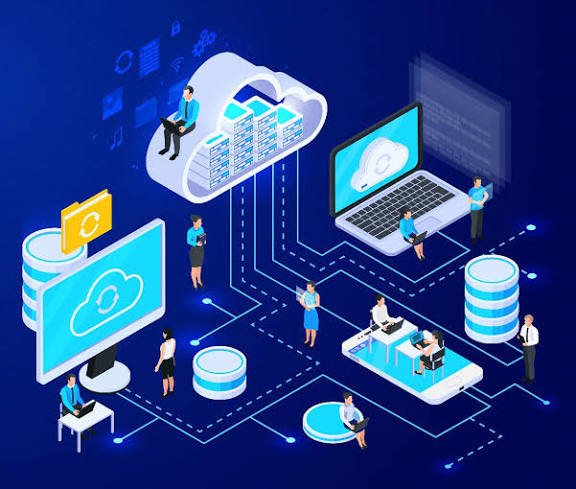
The name cloudelder com can be examined within the wider context of cloud computing and internet-based technology. Cloud computing refers to the delivery of computing services, including storage, processing power, databases, networking, and software, through remote infrastructure. These services allow users to access resources without necessarily purchasing and maintaining every component themselves. The technology supports personal users, small businesses, educational institutions, and large enterprises that need dependable ways to manage digital information.
When exploring a keyword associated with a digital platform, it is important to distinguish general technological concepts from verified information about a specific website. Without confirmed details about its ownership, services, features, and technical capabilities, it would be inaccurate to claim that cloudelder com provides particular products or guarantees specific outcomes. Instead, readers can use the topic to understand how cloud-focused digital services operate and which qualities matter when evaluating an online resource. Checking the website’s published information, privacy policy, security practices, and service descriptions is a sensible starting point before relying on any platform.
The Growing Importance of Cloud Computing
Cloud computing has become a fundamental part of digital infrastructure because it gives organizations more flexibility in managing technology. Traditional infrastructure often requires businesses to purchase servers, maintain physical equipment, install updates, and arrange technical support. Cloud-based systems can reduce some of these responsibilities by allowing organizations to obtain computing resources from specialized providers. Depending on the service model, companies may pay for what they use and increase or decrease their resources as demand changes.
For example, an online retailer may experience a substantial increase in website traffic during a seasonal sale. A properly configured cloud environment can help the retailer allocate additional computing resources to handle the extra demand. When traffic returns to normal, the business can scale its resources down. This flexibility can improve operational efficiency, although the actual benefits depend on system design, provider pricing, and effective monitoring. The same principle applies to organizations using cloud-based collaboration tools, customer management systems, analytics platforms, and remote working applications.
Another important advantage is accessibility. Employees can work with authorized files and applications from different locations, making collaboration easier for distributed teams. Nevertheless, remote access must be supported by strong identity controls and appropriate permissions. Cloud computing creates opportunities for productivity, but its effectiveness depends on how thoughtfully the technology is implemented.
How Digital Transformation Is Changing Businesses
Digital transformation involves integrating technology into business processes to improve performance, customer experiences, and decision-making. It is not simply about purchasing new software or transferring documents to online storage. A meaningful transformation examines how an organization operates, identifies inefficient activities, and determines where technology can produce measurable improvements. Cloud infrastructure often supports this process by providing the computing capacity and accessibility needed for modern digital services.
Consider a small company that previously maintained customer records in separate spreadsheets. As the company grows, employees may struggle to find accurate information, coordinate follow-ups, and prepare reliable reports. By adopting a suitable cloud-based customer management system, the business may bring important information into a more organized environment. Staff members can access updated records according to their permissions, while managers can review performance indicators more efficiently. Such improvements require appropriate configuration, employee training, and regular evaluation rather than technology alone.
In this broader discussion, cloudelder com represents a topic through which readers can investigate the relationship between online platforms and digital progress. Businesses should focus on practical questions: Does a service solve a genuine problem? Can it integrate with existing systems? Does it protect sensitive information? Can it support future growth? Answering these questions helps organizations avoid investing in tools that appear innovative but offer limited operational value.
Major Cloud Computing Models and Their Uses
Cloud technology is available through several service models, each designed for different requirements. Understanding these models makes it easier to evaluate technology choices and recognize the responsibilities associated with each option.
Infrastructure as a Service
Infrastructure as a Service, commonly called IaaS, provides computing resources such as virtual machines, storage, and networking. Organizations can build and manage their own software environments without purchasing all the underlying physical hardware. This model is useful for businesses that need flexibility and greater control over their technical configurations. However, users generally remain responsible for important tasks such as operating system maintenance, application security, and access management.
Platform as a Service
Platform as a Service, or PaaS, gives developers an environment for building, testing, and deploying applications. The provider manages much of the underlying infrastructure, allowing development teams to focus more directly on application functionality. This approach can accelerate software development and reduce infrastructure management work. It is particularly useful when organizations want to develop digital products without maintaining every technical layer themselves.
Software as a Service
Software as a Service, known as SaaS, delivers applications through the internet. Email services, online document editors, project management systems, and customer relationship management applications are common examples. Users typically access the software through a browser or application rather than installing and maintaining the entire system locally. SaaS can simplify deployment, although businesses should still examine subscription costs, data portability, service availability, and privacy controls.
| Cloud model | Main purpose | Common example | Important consideration |
|---|---|---|---|
| IaaS | Provides computing infrastructure | Virtual servers and storage | Requires infrastructure management |
| PaaS | Supports application development | Managed development environments | May create platform dependencies |
| SaaS | Delivers ready-to-use software | Online office and collaboration tools | Requires subscription and access management |
| Hybrid cloud | Combines cloud and private infrastructure | Applications split across environments | Requires careful integration |
These models are not interchangeable in every situation. A small organization may prefer SaaS because it needs ready-to-use applications, while a software company may require IaaS or PaaS for specialized workloads. The right choice depends on technical expertise, security obligations, budget, and business objectives.
Security and Privacy in the Cloud Era
Security remains one of the most important considerations in the modern digital environment. As organizations store increasing amounts of information online, they must protect customer records, business documents, employee details, and other sensitive data against unauthorized access. Cloud providers may offer security tools such as encryption, monitoring, identity management, and backup capabilities, but these features do not automatically eliminate every risk. Organizations must configure services correctly and establish clear procedures for managing information.
Strong authentication is an important starting point. Multi-factor authentication adds another verification step beyond a password, making it more difficult for unauthorized individuals to access an account. Access permissions should also follow the principle of least privilege, meaning each user receives only the access needed to perform their responsibilities. Regular software updates, security reviews, employee awareness training, and tested recovery procedures can further strengthen protection.
When evaluating cloudelder com or any other online platform, readers should look for transparent information about data handling and security practices. A trustworthy service should explain what information it collects, why that information is needed, and how users can exercise relevant privacy rights. Businesses should also understand where their data is stored, how it can be exported, and what happens when a subscription ends. These checks are especially important when a platform may handle confidential or commercially sensitive information.
The Role of Artificial Intelligence and Automation
Artificial intelligence is increasingly influencing cloud services by helping organizations analyze large datasets, automate repetitive tasks, and improve digital workflows. Cloud infrastructure can provide the computing capacity required to develop and operate many AI applications, while managed services can make advanced capabilities more accessible to businesses without extensive technical resources. Examples include automated customer support, document classification, demand forecasting, fraud detection, and personalized recommendations.
Automation can also reduce the time employees spend on routine administrative work. A company might automatically categorize incoming support requests, direct them to the appropriate department, and notify staff when a response is required. This allows employees to concentrate on complex cases that need judgment and human communication. However, automated systems must be monitored to identify errors, unfair outcomes, and unexpected behavior. Sensitive decisions should not be delegated to automated tools without appropriate oversight.
The connection between cloud technology and AI will continue to influence digital strategies as organizations seek more efficient ways to process information. Anyone researching cloudelder com as part of a technology-focused content strategy should understand that AI capabilities vary significantly across providers. Claims about specific AI features should be supported by current, verifiable product documentation rather than assumptions based on a platform’s name.
Benefits and Challenges of Cloud-Based Technology
Cloud-based services offer several potential benefits, but the results depend on planning, implementation, and ongoing management. Organizations should assess both the opportunities and the limitations before adopting a new solution.
The main potential benefits include:
-
Scalability: Resources can be adjusted to match changing workloads.
-
Accessibility: Authorized users can work across locations and devices.
-
Operational flexibility: Businesses can access services without purchasing all the underlying hardware.
-
Collaboration: Teams can share information and coordinate work through connected applications.
-
Faster deployment: Many managed services can be introduced more quickly than comparable in-house infrastructure.
Despite these advantages, cloud adoption can introduce challenges. Subscription fees may increase as storage, usage, and service requirements grow. Moving data from one provider to another may be difficult if systems use incompatible formats or proprietary features. Internet connectivity can affect access, and poorly configured accounts may expose sensitive information. Organizations must also understand service-level commitments, backup arrangements, and the provider’s responsibilities during a disruption.
A practical evaluation should compare the total cost of ownership rather than considering only the initial subscription price. Training, migration, integration, support, security controls, and future exit costs can all influence the final expense. Careful testing and a gradual rollout can help organizations identify problems before a service becomes essential to daily operations.
Cloud Technology Trends Shaping the Modern Digital World
The cloud computing landscape continues to evolve as businesses adopt distributed systems, advanced analytics, and more flexible infrastructure strategies. One important trend is hybrid cloud, which combines private infrastructure with public cloud services. This approach can help organizations keep certain workloads in controlled environments while using external resources for applications that benefit from greater scalability. Its success depends on reliable integration, consistent security policies, and effective management across environments.
Another trend is edge computing, which processes some information closer to where it is generated rather than sending everything to a distant data center. This can reduce delays in applications that require rapid responses, such as industrial monitoring, connected devices, and some real-time analytics systems. Meanwhile, sustainability has become an increasingly important consideration as organizations evaluate the energy demands of digital infrastructure. Efficient resource allocation, workload optimization, and improved hardware utilization can contribute to more responsible technology operations.
Businesses are also paying greater attention to resilience and continuity planning. Rather than assuming that online services will always remain available, organizations are developing backup strategies, recovery procedures, and contingency plans. These measures are particularly important for companies that depend on digital systems for payments, customer service, logistics, or essential records. Understanding these trends provides useful context for assessing the relevance of cloudelder com within the wider digital ecosystem.
How to Evaluate a Digital Platform Before Using It
Choosing an online platform requires a structured evaluation rather than relying on branding or promotional claims. First, users should identify the specific problem they want to solve and determine whether the platform offers relevant capabilities. A tool designed for file storage, for instance, may not be appropriate for managing complex business applications. Clear objectives make it easier to compare available services and avoid unnecessary expenses.
Next, users should examine reliability, usability, privacy, and technical compatibility. A service may appear convenient but create difficulties if it does not work with existing applications or cannot export information in a usable format. Businesses should review the provider’s support arrangements, backup policies, account recovery options, and terms of service. Testing a product with non-sensitive information before committing important data can reveal practical limitations.
Finally, users should check whether claims about the platform can be verified independently. When investigating cloudelder com, this means reviewing the site’s available documentation, checking its stated purpose, and confirming the legitimacy of any service before sharing personal information or making payments. A professional appearance alone is not proof of reliability. Responsible research helps individuals and businesses make decisions based on evidence instead of assumptions.
Frequently Asked Questions
1. What does cloudelder com mean in the modern digital world?
The keyword can be explored in relation to cloud computing, online services, and digital transformation. However, the precise identity and functionality of a specific website should be confirmed through reliable information published by the platform itself. Readers should avoid assuming that a particular service exists simply because its name contains a cloud-related term.
2. Why is cloud computing important for businesses?
Cloud computing allows businesses to access storage, software, and computing resources without necessarily maintaining all the required physical infrastructure. It can support collaboration, scalability, and faster deployment. The benefits depend on selecting suitable services, managing costs, and applying appropriate security controls.
3. Is cloud-based technology suitable for small businesses?
Yes, cloud-based services can be suitable for small businesses because they often provide access to professional software and infrastructure without a large initial hardware investment. Small businesses should compare pricing, support, security, and scalability before choosing a provider. They should also consider how easily they can retrieve their information if they later change services.
4. How can users improve their security when using cloud services?
Users can strengthen security by enabling multi-factor authentication, creating unique passwords, reviewing account permissions, installing updates, and maintaining backups. They should also avoid uploading sensitive information to unfamiliar services before checking privacy policies and security practices. Organizations may need additional safeguards based on their industry and legal obligations.
5. What is the difference between cloud computing and digital transformation?
Cloud computing refers to delivering computing resources and services through network-based infrastructure. Digital transformation is a broader process involving the use of technology to improve business operations, customer experiences, and decision-making. Cloud computing can support digital transformation, but meaningful transformation also requires process improvements, employee training, and clear organizational goals.
6. What should readers check before trusting a website such as cloudelder com?
Readers should verify the website’s purpose, ownership information where available, contact details, privacy policy, terms of service, and security practices. They should look for independent evidence supporting important claims and avoid sharing sensitive information until the service has been evaluated. Payment requests, unrealistic promises, and unclear data-handling policies deserve additional scrutiny.
Conclusion
The modern digital world depends on technology that can adapt to changing needs, support collaboration, protect information, and improve operational efficiency. Cloud computing plays an important role in this transformation by providing flexible infrastructure and access to applications that serve individuals and organizations across many industries. At the same time, responsible adoption requires attention to privacy, cybersecurity, affordability, reliability, and long-term planning.
Understanding cloudelder com within this broader technological context encourages readers to look beyond a name and investigate the practical value of digital platforms. Whether evaluating an online service, researching cloud technology, or planning a business transformation, the most effective approach is to prioritize verifiable information and clearly defined needs. As artificial intelligence, hybrid infrastructure, edge computing, and automation continue to develop, digital literacy will become even more valuable.
Ultimately, successful technology adoption is not about following every new trend. It is about selecting dependable tools, using them responsibly, and ensuring that they contribute to meaningful outcomes. By combining informed research with thoughtful planning, individuals and businesses can navigate the evolving digital landscape with greater confidence and make better decisions about the technologies they choose to use.
