

Introduction
The digital business world has changed dramatically over the last decade. Companies of every size now rely on internet-based tools to store files, collaborate with teams, manage projects, and serve customers faster than ever before. Whether you run a startup, manage a growing brand, or work independently, cloud technology has become one of the most practical investments for productivity and long-term success.
Among the many names people search online, cloudelder+com has gained attention from users looking for modern cloud-focused solutions and guidance. Businesses today want systems that are simple, secure, affordable, and easy to scale. Instead of depending on old hardware or slow internal systems, they are moving toward smarter platforms that help them work from anywhere.
This detailed guide explains how cloud technology works, why it matters, and how solutions like cloudelder+com fit into the bigger picture of business efficiency. You will also learn how to choose the right tools, avoid common mistakes, improve security, and prepare for future growth.
Understanding the Meaning of Cloud Technology
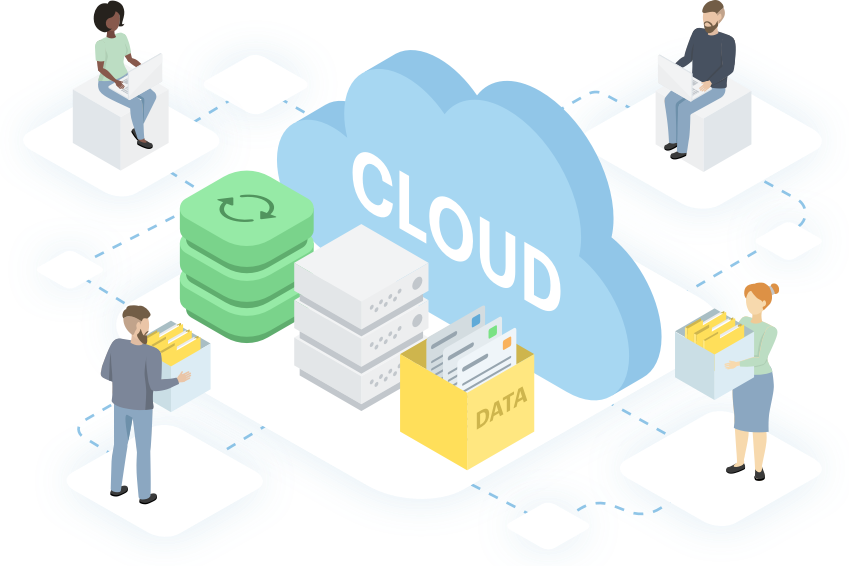
Cloud technology refers to services that are delivered over the internet instead of being hosted only on one local computer or private server. This includes file storage, software tools, collaboration platforms, databases, automation systems, and more.
In the past, businesses had to buy expensive hardware, maintain servers, and hire specialists to manage everything internally. That model often required large budgets and constant maintenance. Today, cloud systems remove much of that burden.
With cloud-based tools, users simply log in through a browser or mobile app. Their files, dashboards, projects, and communication systems are available online. This creates convenience, speed, and flexibility that older systems often cannot match.
When users look into cloudelder+com, they are generally exploring this broader cloud ecosystem where digital operations become easier and more organized.
Why Businesses Are Moving to the Cloud
Companies no longer compete only on price or product quality. They also compete on speed, customer experience, and operational efficiency. If a business cannot respond quickly or manage information effectively, it falls behind.
Cloud systems help solve these modern challenges in practical ways. They allow teams to work together in real time, access data from anywhere, and scale operations without rebuilding infrastructure.
A growing business may need to hire remote staff, manage more clients, or handle rising volumes of files. Traditional systems struggle with these changes. Cloud platforms adapt faster.
That is one reason interest in cloudelder+com continues to grow. Users often want a solution that supports business growth without unnecessary complexity.
The Core Benefits of Cloud Platforms
Cloud technology offers many benefits, but the real value comes from how those benefits improve everyday work.
Greater Flexibility
Employees can work from home, during travel, or from multiple office locations. As long as secure access is available, work continues smoothly.
Lower Infrastructure Costs
Instead of buying costly servers and storage devices, businesses often pay a monthly subscription based on usage.
Faster Collaboration
Multiple people can view, edit, comment, and approve documents in real time.
Better Data Protection
Modern cloud systems typically include backups, encryption, and access controls.
Easy Scaling
As the business grows, storage, users, and features can often be increased quickly.
These practical benefits make cloud solutions appealing to startups and large enterprises alike.
How Cloud Systems Improve Daily Operations
Many businesses lose time in ways they do not immediately notice. Staff members search for files, wait for approvals, ask for updated versions, or manually copy data into different tools.
Cloud systems reduce these hidden inefficiencies.
For example, imagine a marketing agency managing ten clients. Without a centralized system, each project may involve scattered files, multiple chat threads, and delayed approvals. With a cloud platform, campaign files, timelines, comments, and reporting can all exist in one place.
This saves time, reduces confusion, and creates accountability.
A platform like cloudelder+com may attract attention because users want this type of streamlined workflow rather than disconnected processes.
Cloud Storage vs Traditional Storage
Many organizations still depend on local hard drives, USB devices, or office computers to store important files. While familiar, these methods create risks and limitations.
| Feature | Traditional Storage | Cloud Storage |
|---|---|---|
| Access | Limited to device/location | Anywhere with permission |
| Backup | Often manual | Usually automated |
| Sharing | Slow and inconvenient | Instant sharing |
| Security | Depends on local setup | Advanced tools available |
| Scalability | Limited hardware space | Expandable plans |
| Recovery | Difficult after failure | Easier restore options |
Traditional storage may seem simple at first, but as teams grow, cloud storage becomes far more practical.
How Teams Collaborate Better in the Cloud
Modern teamwork depends on communication and transparency. If employees cannot see updates quickly, projects slow down.
Cloud collaboration tools improve this by allowing:
- Shared documents with live editing
- Task boards with deadlines
- Comment threads for feedback
- Shared calendars
- Central file libraries
- Progress dashboards
Instead of sending endless email attachments, everyone works from the same source.
For distributed teams, this can be transformative. A designer in one city, manager in another, and client in a third location can all work together efficiently.
That type of collaboration is why many people research cloudelder+com and similar digital platforms.
Security in the Cloud Environment
Security is often the first concern businesses raise when considering cloud systems. That concern is understandable because company data is valuable.
However, many modern cloud platforms provide security levels stronger than what small businesses can create on their own.
Important protections may include:
Encryption
Data is encoded so unauthorized users cannot easily read it.
Two-Factor Authentication
Users verify identity with a password plus an additional code or device.
Role-Based Access
Employees only access what they need for their job.
Audit Logs
Admins can track activity and detect unusual behavior.
Automatic Backups
Files can often be restored after accidental deletion or system failure.
When evaluating cloudelder+com, users frequently want reassurance that productivity does not come at the expense of safety.
Why Startups Love Cloud Platforms
Startups need speed. They often operate with small teams, tight budgets, and aggressive growth goals.
Cloud platforms support startups by helping them:
- Launch quickly without heavy IT spending
- Add users as the team grows
- Keep operations organized
- Work remotely from day one
- Track data and performance
- Reduce technical maintenance burdens
Instead of investing early capital in servers and infrastructure, startups can focus resources on sales, marketing, product development, and customer service.
That flexibility is one reason newer companies actively explore services such as cloudelder+com.
The Role of Automation in Modern Workflows
Automation is one of the most valuable features available in cloud ecosystems today.
Many tasks waste time because they are repetitive. Examples include sending reminders, updating records, assigning tasks, or notifying teams.
Automation tools can handle these actions instantly.
For example:
- New customer inquiry arrives → sales team notified
- Invoice paid → receipt automatically sent
- Task overdue → reminder triggered
- File approved → next department alerted
This reduces manual effort and lowers the chance of human error.
Businesses that automate routine work free employees to focus on creative and strategic tasks.
Cloud Tools for Small Businesses
Small businesses often assume advanced systems are only for corporations. That belief is outdated.
Today, many cloud tools are affordable and easy to implement. A local retailer, consultant, restaurant group, or service provider can benefit significantly.
Small businesses may use cloud platforms for:
- Appointment scheduling
- Staff communication
- Customer records
- Inventory management
- Accounting access
- File sharing
- Marketing calendars
With the right setup, even a five-person business can operate more professionally and efficiently.
That is why cloudelder+com can appeal to entrepreneurs seeking smarter systems without enterprise complexity.
How to Choose the Right Cloud Platform

Choosing the wrong tool creates frustration, wasted money, and poor adoption. Businesses should evaluate needs carefully before subscribing.
Ask These Questions First
What problem needs solving most urgently?
How many users need access?
What budget is realistic?
Do we need mobile support?
Which apps must integrate?
What security standards matter most?
Prioritize Ease of Use
Even powerful software fails if employees dislike using it.
Check Customer Support
Responsive support can save hours during setup or troubleshooting.
Think Long-Term
Choose a platform that can grow with your company rather than forcing migration later.
Businesses considering cloudelder+com often compare these same criteria before making a decision.
Common Mistakes During Adoption
Some companies invest in great software but still fail to gain results. Usually the issue is not the tool—it is implementation.
No Clear Goal
If no one knows why the platform was purchased, enthusiasm fades quickly.
Poor Training
Users need guidance, especially in the first few weeks.
Too Many Platforms
Using several overlapping tools causes confusion and duplicated work.
Ignoring Permissions
Every employee should not access all data.
No Ongoing Review
Business needs change. Systems should evolve too.
Avoiding these mistakes dramatically improves success rates.
How Cloud Platforms Save Money Over Time
Some owners focus only on subscription costs and overlook total savings.
Cloud platforms often reduce:
- Hardware purchases
- Server maintenance
- IT emergency repairs
- Downtime losses
- Productivity waste
- Manual admin labor
For example, if a system saves one employee two hours weekly, the annual value may exceed the subscription cost many times over.
This is why cloud adoption is often seen as an investment rather than an expense.
Remote Work and Hybrid Teams
The workplace has changed permanently. Many companies now use remote or hybrid models where employees split time between home and office.
Without proper systems, this creates serious communication problems.
Cloud tools solve many of them by centralizing files, tasks, calendars, and updates.
A remote worker can log in, see priorities, access needed documents, and continue seamlessly.
That level of continuity is one reason searches for cloudelder+com may come from businesses adapting to new work models.
Real Examples Across Industries
Retail Businesses
Cloud systems track stock levels, staff schedules, and supplier records in real time.
Marketing Agencies
Campaign files, approvals, analytics, and deadlines stay organized centrally.
Education Providers
Teachers share materials, assignments, and student communication online.
Consultants
Client notes, contracts, and proposals remain accessible during travel.
Healthcare Administration
Scheduling, documentation, and secure workflows become easier to manage.
Nearly every industry now benefits from cloud infrastructure in some form.
The Importance of User Experience
Software should make life easier, not harder.
A user-friendly platform generally includes:
- Clean navigation
- Fast performance
- Clear menus
- Helpful onboarding
- Mobile responsiveness
- Logical settings
When systems feel confusing, staff resist using them. Adoption drops, and ROI suffers.
Ease of use is often one of the strongest reasons people become interested in cloudelder+com.
Future Trends in Cloud Technology
Cloud systems continue to evolve rapidly. Businesses adopting today should also think ahead.
Artificial Intelligence
AI tools will summarize meetings, predict issues, and recommend next steps.
Smarter Security
Threat detection and identity verification will become more advanced.
Better Integrations
Different apps will connect more seamlessly than ever before.
Real-Time Analytics
Dashboards will shift from historical reporting to predictive insights.
Customization
Businesses will tailor systems more easily without complex coding.
As these trends grow, cloud platforms that remain simple and efficient will become even more valuable.
How to Start Using Cloud Systems Today
If your business still relies heavily on old processes, transition gradually.
Step One: Organize Existing Files
Remove duplicates and sort key documents.
Step Two: Pick One Priority Workflow
Choose project management, storage, or communication first.
Step Three: Train the Team
Short tutorials often work better than long manuals.
Step Four: Measure Results
Track time saved, fewer errors, and faster approvals.
Step Five: Expand Strategically
Once one department succeeds, roll out to others.
This step-by-step method avoids disruption and builds confidence.
Quick Insight: Businesses that centralize work in one cloud system often respond faster to customers.
Quick Insight: Security settings should be configured before inviting users.
Quick Insight: Start small, prove value, then scale gradually.
Frequently Asked Questions
What is cloudelder+com?
It is commonly searched as a cloud-related platform or resource associated with digital productivity and business operations.
Is cloud technology only for big companies?
No. Freelancers, startups, local shops, and medium businesses all benefit.
Can cloud systems really save money?
Yes. Reduced hardware, maintenance, and time waste often create strong savings.
Is cloud storage secure?
With proper encryption, backups, and access controls, it can be highly secure.
How long does setup take?
Small teams may start within days, while larger migrations take longer.
What should I check before choosing a provider?
Review security, pricing, ease of use, integrations, and support quality.
Why Businesses Delay Too Long
Many companies know they need better systems but postpone action. Common reasons include fear of change, uncertainty about cost, or concern about training staff.
Unfortunately, delay has its own cost.
Every month of disorganized workflows means lost hours, slower customer response, and missed growth opportunities. Competitors using smarter systems move faster.
Even basic cloud improvements can create noticeable benefits quickly. Waiting for a “perfect time” often means staying stuck.
How Leadership Should Approach Change

Technology decisions work best when leaders treat them as business strategy rather than software purchases.
Leaders should communicate:
- Why the change matters
- What problems it solves
- How employees benefit
- What support is available
- How success will be measured
When teams understand purpose, adoption becomes smoother.
Building a Long-Term Digital Foundation
Cloud systems are not only about today’s tasks. They help create a foundation for future growth.
As your business expands, you may need:
- New staff onboarding
- Better reporting
- Customer service scaling
- Multi-location coordination
- More secure data handling
- Faster decision-making
Strong cloud infrastructure supports all of these next steps.
That is why many businesses exploring cloudelder+com are really searching for long-term operational strength.
Conclusion
The future of business belongs to organizations that move quickly, collaborate smoothly, and protect their data intelligently. Cloud technology makes all three possible. It replaces scattered files, slow approvals, and outdated systems with connected workflows that save time and support growth.
Whether you run a startup, manage a remote team, or modernize an established company, adopting the right platform can transform daily operations. Solutions associated with cloudelder+com represent what today’s users want most: simplicity, flexibility, security, and scalability.
The best next step is practical action. Review your current workflow, identify the biggest bottleneck, and implement one cloud improvement now. Small digital upgrades today can create major business advantages tomorrow.
