


In today’s digital-first world, cloud technology has become the backbone of modern businesses. Organizations of all sizes rely on cloud-based solutions to improve efficiency, enhance collaboration, and manage data securely. Among the growing number of cloud-focused platforms and services, CloudElderCom has emerged as a topic of interest for businesses and technology enthusiasts seeking reliable cloud-related solutions and insights.
Understanding how cloud platforms operate is essential for companies that want to stay competitive in rapidly changing markets. Whether it involves data storage, application management, remote collaboration, or digital transformation strategies, cloud services continue to shape the way organizations function. This is where CloudElderCom attracts attention by offering information, services, and perspectives related to cloud technologies and digital innovation.
This article explores CloudElderCom in detail, including its services, practical applications, benefits, challenges, and future potential. By the end, readers will gain a clear understanding of how CloudElderCom fits into the broader cloud computing landscape and why it continues to generate interest among businesses and technology professionals.
What Is CloudElderCom?
CloudElderCom is associated with cloud technology solutions, digital transformation insights, and resources that help businesses understand and leverage cloud-based environments. As organizations increasingly move their operations online, platforms and services that simplify cloud adoption have become highly valuable.
Cloud computing itself refers to delivering computing resources such as servers, storage, databases, networking, and software over the internet. Rather than maintaining expensive physical infrastructure, businesses can access these resources on demand. CloudElderCom aligns with this trend by focusing on cloud-related services and educational content that supports informed decision-making.
The growing popularity of cloud technology stems from its ability to improve flexibility, reduce operational costs, and enable remote work environments. Businesses can scale resources according to demand while maintaining high levels of accessibility and security. CloudElderCom contributes to this ecosystem by helping users understand these opportunities and implement cloud strategies more effectively.
As cloud adoption continues to expand across industries, platforms that provide guidance, insights, and practical solutions become increasingly important. This explains why CloudElderCom is gaining recognition among organizations seeking digital modernization.
The Importance of Cloud Technology in Modern Business
Before exploring the specific services associated with CloudElderCom, it is important to understand why cloud technology has become such a critical component of business success.
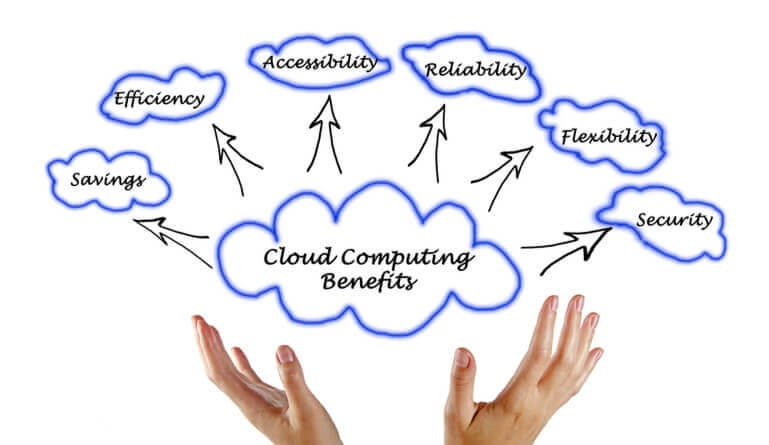
Traditional IT infrastructures often require significant investments in hardware, maintenance, and personnel. These systems can be difficult to scale and may struggle to keep pace with changing business requirements. Cloud computing addresses these challenges by providing flexible, on-demand resources that can adapt to organizational needs.
Businesses benefit from cloud technology in several ways:
- Reduced infrastructure costs
- Improved collaboration and accessibility
- Enhanced data security and backup capabilities
- Faster deployment of applications
- Greater operational flexibility
- Simplified disaster recovery processes
CloudElderCom reflects these industry trends by emphasizing solutions and insights that help organizations maximize the value of cloud technologies. Whether a company is beginning its cloud journey or optimizing existing systems, understanding cloud fundamentals remains essential for long-term success.
Core Services Associated with CloudElderCom
Cloud-focused platforms typically provide a range of services designed to support business operations and digital transformation initiatives. CloudElderCom is often discussed in relation to these key service areas.
Cloud Infrastructure Support
One of the most important aspects of cloud technology is infrastructure management. Businesses need reliable computing resources that can support applications, websites, databases, and internal systems.
Cloud infrastructure services generally include virtual servers, storage solutions, networking tools, and resource management capabilities. These services help organizations reduce dependence on physical hardware while improving scalability and performance.
By focusing on infrastructure-related solutions, CloudElderCom helps users understand how cloud environments can support growth and operational efficiency.
Data Storage and Management
Data is one of the most valuable assets for modern organizations. Managing large volumes of information requires secure, scalable, and accessible storage systems.
Cloud-based storage enables businesses to:
- Store data remotely
- Access information from multiple locations
- Improve backup and recovery processes
- Reduce hardware expenses
- Enhance collaboration among teams
CloudElderCom highlights the importance of effective data management strategies and the role cloud technologies play in protecting critical business information.
Cloud Security Solutions
Security remains a major concern for organizations transitioning to cloud environments. Cyber threats continue to evolve, making robust protection measures essential.
Cloud security services often include:
- Data encryption
- Identity management
- Access controls
- Threat monitoring
- Compliance support
- Risk assessment tools
CloudElderCom emphasizes the significance of maintaining strong security practices while adopting cloud technologies. Organizations that prioritize security can reduce vulnerabilities and build greater trust with customers and stakeholders.
Key Features of Cloud-Based Solutions
Cloud computing platforms offer numerous features that contribute to their widespread adoption. Understanding these capabilities provides insight into the value associated with CloudElderCom and similar cloud-focused resources.
| Feature | Description | Business Benefit |
|---|---|---|
| Scalability | Resources expand or shrink as needed | Cost efficiency |
| Accessibility | Access systems from any location | Improved productivity |
| Automation | Reduces manual processes | Greater efficiency |
| Security | Protects data and applications | Risk reduction |
| Backup and Recovery | Ensures business continuity | Reduced downtime |
| Integration | Connects various business tools | Better workflow management |
These features allow businesses to remain agile and responsive in dynamic markets. CloudElderCom frequently focuses on helping users understand how to leverage these capabilities effectively.
Common Uses of CloudElderCom
Organizations utilize cloud-focused resources for a variety of purposes. CloudElderCom serves as a valuable source of information and guidance for businesses seeking practical cloud solutions.
Business Operations Management
Many organizations rely on cloud technologies to streamline daily operations. Cloud-based applications support project management, communication, accounting, customer service, and other essential functions.
By utilizing cloud resources, businesses can improve efficiency while reducing the complexity associated with traditional IT systems.
Remote Workforce Support
Remote and hybrid work models have become increasingly common. Employees need secure access to files, applications, and communication tools regardless of location.
CloudElderCom helps users understand how cloud environments facilitate remote collaboration through centralized platforms and secure connectivity solutions.
Digital Transformation Initiatives
Digital transformation involves integrating technology into every aspect of business operations. Cloud computing often serves as the foundation for these efforts.
Organizations pursuing digital transformation may use cloud technologies to:
- Modernize infrastructure
- Improve customer experiences
- Enhance operational efficiency
- Accelerate innovation
- Support data-driven decision-making
CloudElderCom provides insights that assist businesses in navigating these transformation processes successfully.
Benefits of Using Cloud-Based Strategies
The increasing adoption of cloud technology is driven by numerous advantages that support both short-term and long-term business goals.
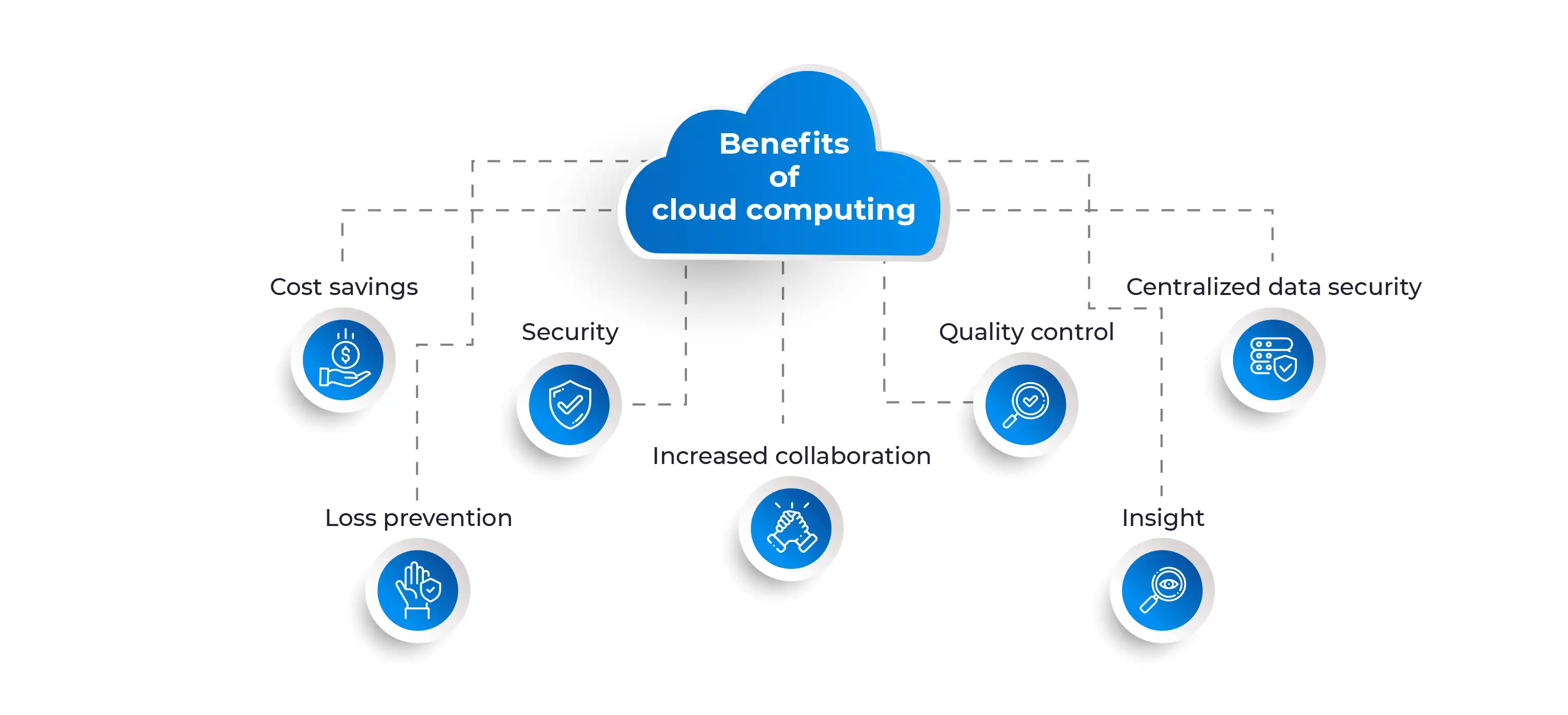
One major benefit is flexibility. Organizations can quickly adjust resources according to changing requirements without making significant capital investments. This adaptability allows businesses to respond more effectively to market conditions and customer demands.
Another important advantage is cost management. Cloud services often operate on usage-based pricing models, enabling companies to pay only for the resources they consume. This approach reduces unnecessary expenses and improves budget predictability.
CloudElderCom frequently highlights how businesses can maximize these benefits through strategic planning and informed decision-making. By understanding cloud capabilities, organizations can optimize performance while minimizing operational challenges.
Additionally, cloud technologies improve collaboration by providing centralized access to applications and information. Teams can work together more efficiently, regardless of geographic location, leading to increased productivity and innovation.
Challenges Organizations May Encounter
While cloud adoption offers significant benefits, businesses should also recognize potential challenges. Understanding these obstacles allows organizations to prepare effectively and reduce risks.
Security Concerns
Despite advanced security measures, organizations must remain vigilant regarding data protection and cyber threats. Proper security policies and employee training play a critical role in maintaining a secure cloud environment.
Compliance Requirements
Many industries face strict regulatory requirements governing data management and privacy. Businesses must ensure that cloud solutions align with applicable laws and standards.
Migration Complexity
Moving existing systems and data to cloud environments can be a complex process. Careful planning, testing, and implementation are necessary to minimize disruptions.
Cost Management
Although cloud services can reduce costs, inefficient resource usage may lead to unexpected expenses. Monitoring and optimization strategies are essential for maintaining financial efficiency.
CloudElderCom often addresses these challenges by providing educational resources and best practices that help organizations navigate cloud adoption successfully.
Best Practices for Maximizing Cloud Success
Organizations seeking to gain maximum value from cloud technologies should follow several key best practices.
Develop a Clear Strategy
A well-defined cloud strategy helps align technology investments with business objectives. Companies should identify goals, evaluate requirements, and establish measurable outcomes before implementation.
Prioritize Security
Security should remain a top priority throughout the cloud adoption process. Businesses should implement strong authentication methods, encryption protocols, and regular security assessments.
Monitor Performance
Continuous monitoring enables organizations to identify inefficiencies and optimize resource usage. Performance metrics provide valuable insights into system effectiveness and potential improvement areas.
Invest in Employee Training
Technology alone cannot guarantee success. Employees must understand how to use cloud tools effectively and follow established security practices.
CloudElderCom emphasizes these best practices because successful cloud adoption depends on both technological and organizational readiness.
Future Trends and Insights
The future of cloud computing continues to evolve rapidly. Emerging technologies such as artificial intelligence, machine learning, edge computing, and advanced automation are reshaping cloud environments.
Businesses increasingly seek integrated solutions that combine cloud infrastructure with intelligent analytics and automation capabilities. These technologies enable organizations to process data more efficiently and make informed decisions in real time.
Sustainability is also becoming an important consideration. Cloud providers are investing in energy-efficient infrastructure and environmentally responsible practices. As organizations prioritize sustainability goals, cloud solutions may play a significant role in reducing environmental impact.
CloudElderCom remains relevant in this evolving landscape by focusing on emerging trends, practical applications, and strategic insights that help businesses prepare for future technological developments.
As innovation accelerates, organizations that stay informed and adaptable will be better positioned to capitalize on new opportunities and maintain competitive advantages.
Conclusion
Cloud computing has transformed the way businesses operate, collaborate, and innovate. From scalable infrastructure and secure data management to remote work support and digital transformation initiatives, cloud technologies continue to deliver substantial value across industries.
