


Introduction
Technology has become an essential part of modern life, influencing how people communicate, work, study, shop, and manage everyday responsibilities. From smartphones and cloud-based applications to artificial intelligence and automated systems, digital advancements are transforming industries at an extraordinary pace. Businesses are adopting intelligent solutions to improve productivity, while individuals are discovering convenient ways to complete tasks that previously required significant time and effort. Understanding these developments is increasingly important for anyone who wants to remain informed and competitive in a rapidly changing digital environment.
The growing interest in digital innovation has also increased the demand for accessible technology information. Readers exploring cloudelder com may be interested in understanding modern technology, emerging digital trends, and the practical applications of advanced tools. Rather than focusing exclusively on technical terminology, a useful approach to technology education explains how innovations work and why they matter in everyday situations. This perspective makes complicated subjects easier to understand for students, professionals, entrepreneurs, and general technology enthusiasts.
As we move through 2026, technological progress continues to influence economic development, workplace expectations, customer experiences, and personal lifestyles. Artificial intelligence is becoming integrated into everyday software, cloud infrastructure supports increasingly complex applications, and cybersecurity remains a major concern for organizations of every size. Learning about these changes helps individuals make informed decisions and prepares businesses to respond effectively to future opportunities.
Understanding Modern Technology and Its Growing Importance
Modern technology refers to the collection of advanced tools, digital systems, software applications, and connected devices designed to improve efficiency, communication, and problem-solving. Unlike traditional technologies that often operated independently, today’s innovations frequently depend on interconnected platforms capable of exchanging information in real time. Cloud computing, artificial intelligence, advanced networking, and data analytics work together to create intelligent digital environments that support faster decisions and more personalized services.
The importance of modern technology extends beyond convenience. Digital tools influence economic growth, educational accessibility, healthcare delivery, environmental monitoring, and business development. For example, online learning platforms allow students to access educational resources without geographical limitations, while digital payment systems make financial transactions more convenient. Businesses use customer management software to organize information and improve service quality. These developments demonstrate that technology is not simply about introducing new devices but about creating systems that solve meaningful problems and improve everyday experiences.
The Evolution of Digital Technology in Recent Years
Digital technology has experienced significant changes over the past decade. Earlier innovations focused heavily on improving computer performance, expanding internet access, and making mobile devices more affordable. Today, technological development increasingly emphasizes intelligent automation, connected infrastructure, personalized digital experiences, and secure information management. The transition from traditional software installations to cloud-based services has made advanced computing resources available to organizations that previously lacked the infrastructure needed to support them.
Readers interested in cloudelder com and broader technology developments can benefit from understanding how these innovations connect. Faster communication networks support cloud applications, while cloud infrastructure provides the computing power required for sophisticated artificial intelligence systems. At the same time, cybersecurity technologies protect the sensitive information exchanged across these environments. This interconnected relationship explains why developments in one technological field often accelerate progress in several others.
How Digital Transformation Changes Everyday Activities
Digital transformation involves integrating technology into existing processes to improve performance and create new opportunities. In everyday life, this transformation appears through online banking, digital healthcare consultations, intelligent navigation systems, and personalized shopping experiences. A person can manage financial transactions, schedule appointments, attend professional meetings, and access educational materials through a single connected device.
Organizations experience similar changes. A retail business can combine online inventory management, digital payments, and customer analytics to provide more efficient services. Manufacturing companies can monitor equipment through connected sensors, reducing unexpected interruptions and improving operational planning. These examples highlight how digital transformation creates practical value when technology is introduced with clear objectives rather than simply following popular trends.
Artificial Intelligence and the Future of Intelligent Systems
Artificial intelligence has become one of the most influential areas of modern technological development. AI systems analyze information, recognize patterns, generate content, and assist with decisions that traditionally required substantial human effort. Machine learning enables software to improve its performance through training on data, while generative AI can produce text, images, programming code, and other digital content based on user instructions.
In 2026, organizations continue exploring AI-powered customer support, software development assistance, document processing, and business analytics. A customer service team, for example, might use an intelligent assistant to answer routine questions while directing complicated cases to human representatives. Healthcare professionals may use carefully validated AI tools to support medical image analysis or administrative workflows. However, these applications require appropriate oversight because AI systems can generate incorrect information, reflect biases, or create privacy concerns.
The Role of AI in Business Productivity
Artificial intelligence can improve productivity by reducing repetitive work and helping employees focus on more valuable responsibilities. Marketing teams use AI-assisted software to explore campaign ideas, summarize research, and analyze customer feedback. Financial departments may use automated systems to identify unusual transactions or organize large datasets. Human resources professionals can simplify administrative processes while retaining human judgment for important employment decisions.
Successful AI adoption depends on selecting suitable applications, protecting confidential information, and measuring actual business outcomes. Companies should also provide employee training and establish clear guidelines for reviewing AI-generated results. When implemented responsibly, intelligent systems can complement human expertise rather than replacing the creativity, judgment, and interpersonal skills that remain essential in professional environments.
Cloud Computing and the Expansion of Digital Infrastructure
Cloud computing allows individuals and organizations to access computing resources, storage, databases, and software through internet-connected services. Instead of purchasing and maintaining every component of their own infrastructure, businesses can use cloud platforms to obtain resources according to changing requirements. This flexibility is particularly valuable for growing organizations that need reliable systems without making large initial investments in physical equipment.
The increasing popularity of cloudelder com as a technology-related search term reflects the broader interest in understanding cloud services and digital infrastructure. Cloud technology supports remote collaboration, online document storage, software development, and large-scale data processing. For example, a company operating across several cities can maintain shared documents and business applications through cloud services, allowing authorized employees to collaborate without relying on a single office location.
Public, Private, and Hybrid Cloud Environments
Different cloud environments serve different organizational requirements. Public cloud services provide resources through infrastructure operated by external providers, while private cloud environments offer dedicated computing arrangements for individual organizations. Hybrid cloud strategies combine different environments, allowing companies to distribute workloads according to security, performance, cost, and regulatory needs.
Choosing an appropriate cloud model requires careful consideration of data sensitivity, application requirements, operational expenses, and technical expertise. Organizations handling highly confidential information may prioritize additional controls and specialized infrastructure, while smaller businesses might prefer managed public cloud services because of their accessibility and scalability. Regardless of the model, reliable backup procedures, access management, and continuous monitoring remain essential.
Cybersecurity and Digital Privacy in the Modern World
As digital services become more deeply integrated into everyday activities, cybersecurity has become a fundamental requirement. Cyber threats include phishing attacks, ransomware, malicious software, account theft, and unauthorized access to confidential information. These threats can affect individuals, businesses, educational institutions, and public organizations. The consequences may include financial losses, interrupted operations, damaged reputations, and exposure of personal data.
Modern cybersecurity involves more than installing antivirus software. Effective protection requires secure authentication, regular software updates, employee awareness, encrypted communications, and appropriate monitoring systems. Organizations are increasingly adopting zero-trust security principles, which emphasize verifying access requests rather than automatically trusting users or devices based on their network location. Security teams also use automated detection systems to identify unusual activities and respond more efficiently to potential incidents.
Practical Ways to Improve Digital Security
Individuals and businesses can strengthen their digital protection through several straightforward practices:
- Use strong, unique passwords and enable multifactor authentication wherever possible.
- Keep operating systems, applications, and connected devices updated with security patches.
- Avoid suspicious attachments, unfamiliar downloads, and unexpected requests for sensitive information.
- Maintain secure backups of important files and test recovery procedures regularly.
- Review application permissions and limit access to confidential information.
These practices cannot eliminate every cybersecurity risk, but they significantly improve resilience against common threats. Digital safety also requires ongoing education because attackers continually change their techniques. Building awareness among employees, family members, and other technology users is an important part of maintaining secure digital environments.
Exploring Emerging Technology Trends in 2026
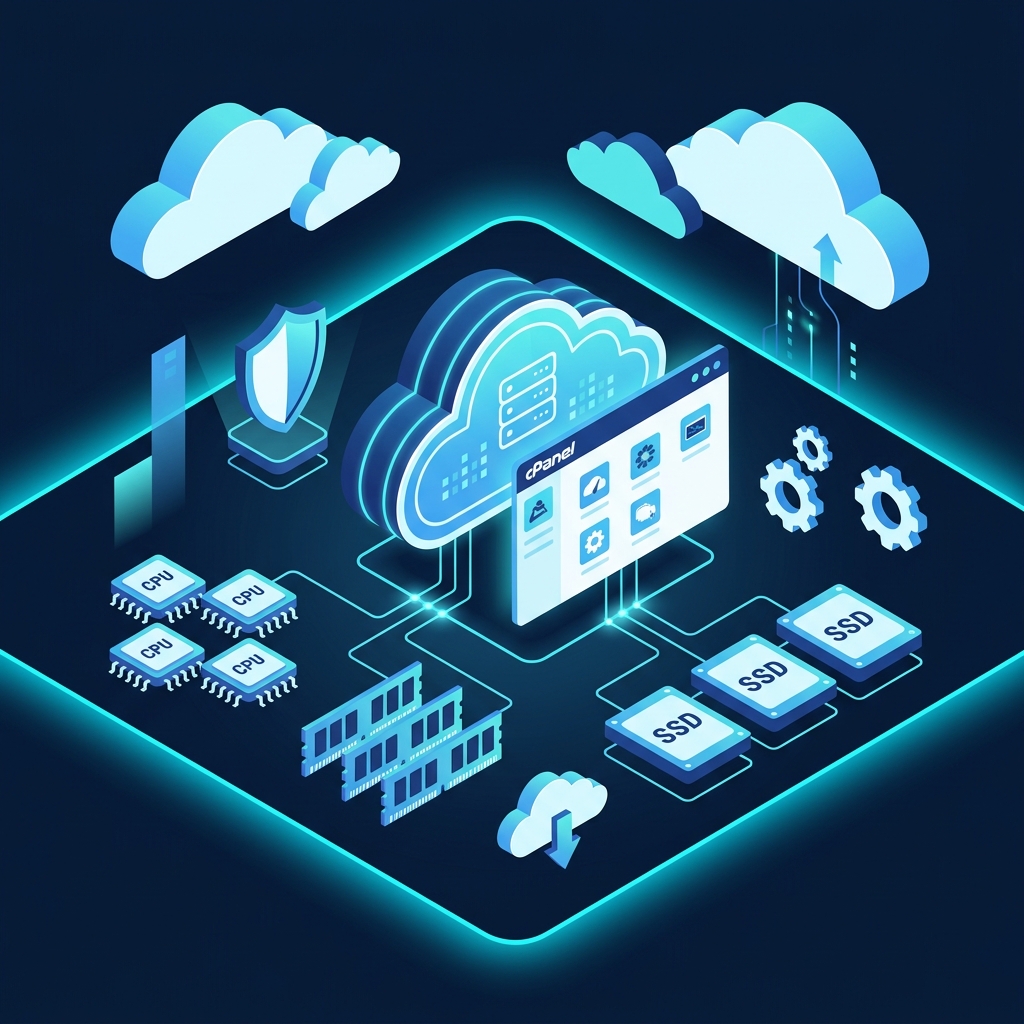
The modern technology landscape includes several developing fields that could influence how businesses operate and how individuals interact with digital systems. Artificial intelligence, edge computing, connected devices, immersive technologies, and advanced automation are receiving considerable attention. However, the maturity and practical usefulness of these innovations vary, making it important to distinguish between established applications and experimental concepts.
People exploring technology topics through searches such as cloudelder com can gain a clearer understanding by comparing these developments according to their practical applications. The following table summarizes several major technologies and their potential benefits.
| Technology | Common Applications | Potential Benefits |
|---|---|---|
| Artificial Intelligence | Customer support, analytics, content assistance | Improved efficiency and faster information processing |
| Cloud Computing | Data storage, online applications, collaboration | Scalability and flexible access to computing resources |
| Internet of Things | Smart homes, equipment monitoring, connected sensors | Real-time monitoring and better resource management |
| Blockchain | Digital asset records, transaction verification | Tamper-evident records and shared verification |
| Edge Computing | Industrial systems, connected devices, local analytics | Lower latency and reduced data transfer requirements |
| Augmented Reality | Training, product visualization, maintenance assistance | Interactive learning and improved visualization |
These technologies are not equally suitable for every organization. Their value depends on implementation costs, technical limitations, security requirements, and the problems they are intended to solve. Businesses should evaluate realistic outcomes rather than assuming that adopting the newest technology will automatically improve performance.
The Internet of Things and Smart Connected Environments
The Internet of Things, commonly known as IoT, describes networks of physical devices equipped with sensors, software, and communication capabilities. These devices collect information and exchange it with other systems, allowing users to monitor conditions or automate specific activities. Smart thermostats, connected security cameras, industrial monitoring equipment, and agricultural sensors are familiar examples of IoT applications.
Connected environments can improve convenience and resource management. In agriculture, soil moisture sensors can help farmers make more informed irrigation decisions. In commercial buildings, intelligent lighting and temperature controls can reduce unnecessary energy consumption. Industrial facilities can use equipment sensors to identify unusual operating conditions before major failures occur. Nevertheless, connected devices also introduce security and maintenance challenges, making software updates, network protection, and responsible data collection important considerations.
Automation and the Changing Nature of Work
Automation is transforming workplaces by enabling software and machines to complete repetitive or predictable tasks. Traditional automation generally relied on predefined rules, while newer systems increasingly incorporate machine learning and intelligent decision support. These developments are influencing manufacturing, logistics, customer service, accounting, and administrative operations.
For employees, automation creates both opportunities and challenges. Routine tasks may require less manual involvement, allowing workers to concentrate on analysis, communication, and complex problem-solving. At the same time, certain job responsibilities are changing, increasing the importance of digital literacy and professional development. Organizations that invest in employee training and responsible technology integration are better positioned to manage these transitions while maintaining productivity and workforce confidence.
Why Human Skills Remain Important
Although automated systems can process large quantities of information, they do not eliminate the need for human judgment. Professionals must evaluate recommendations, interpret business circumstances, resolve disagreements, and consider ethical consequences. Creativity, adaptability, leadership, and effective communication remain valuable because they help people navigate situations that cannot be addressed through automated procedures alone.
A balanced workplace combines technological efficiency with human expertise. For example, an automated analytics platform might identify changes in customer purchasing behavior, but experienced managers must determine whether those changes justify a new business strategy. Technology becomes most useful when it supports informed decisions rather than encouraging organizations to depend on software without sufficient evaluation.
Digital Technology in Education and Healthcare
Education has benefited considerably from digital platforms that support flexible learning and access to information. Students can participate in virtual classrooms, complete interactive exercises, and review educational materials according to their schedules. Teachers can use digital assessments to monitor progress and identify areas where additional instruction may be necessary. AI-assisted educational tools can also provide practice activities and explanations, although their accuracy and suitability require supervision.
Healthcare technology is evolving through electronic health records, remote consultations, wearable monitoring devices, and specialized diagnostic systems. These innovations can improve access to certain services and support more efficient communication between patients and healthcare professionals. However, successful implementation depends on privacy safeguards, reliable infrastructure, clinical validation, and equitable access. Technology should support qualified healthcare providers rather than replace professional medical judgment.
The Importance of Data Analytics in Modern Decision-Making
Data analytics involves examining information to identify patterns, evaluate performance, and support decisions. Organizations collect data from customer interactions, operational systems, websites, connected equipment, and other digital sources. Analytical tools help convert these records into insights that can guide planning and resource allocation.
For example, an online retailer might analyze purchasing patterns to estimate product demand and reduce inventory shortages. A transportation company could examine delivery information to identify inefficient routes. Educational institutions may use attendance and performance data to recognize students who could benefit from additional support. These applications demonstrate the practical importance of accurate information, appropriate statistical methods, and responsible data governance.
Responsible Data Collection and Management
Collecting more information does not automatically lead to better decisions. Poor-quality data, misleading correlations, and incomplete records can produce inaccurate conclusions. Organizations should establish clear data management policies covering accuracy, retention, access permissions, and privacy.
Transparency is particularly important when personal information is involved. Users should understand how their data is collected and processed, while organizations should comply with applicable privacy regulations. Responsible data practices help build trust and reduce the possibility of misuse or unnecessary exposure.
Sustainable Technology and Environmental Responsibility
Sustainability is becoming an increasingly important consideration in technological development. Digital infrastructure consumes electricity, electronic devices require raw materials, and manufacturing processes can create environmental impacts. As organizations expand their use of cloud services, artificial intelligence, and connected equipment, energy efficiency and responsible resource management deserve greater attention.
Technological innovation can also support environmental goals. Smart energy systems help monitor electricity consumption, predictive maintenance can extend equipment lifespans, and digital tools can improve transportation planning. Data centers may reduce environmental impact through efficient cooling, better hardware utilization, and cleaner energy sources. However, sustainability claims should be evaluated using measurable evidence because technological improvements can sometimes be offset by increased overall consumption.
How Businesses Can Successfully Adopt Modern Technology
Adopting technology successfully requires planning, clear objectives, and a realistic understanding of organizational needs. Businesses sometimes invest in sophisticated systems without identifying the problems they intend to solve. This approach can result in unnecessary expenses, complicated workflows, and limited employee adoption.
A more effective strategy begins with evaluating existing processes and selecting technologies that offer measurable improvements. Companies can then introduce solutions gradually, gather feedback, and adjust their implementation plans. Small organizations may benefit from starting with secure cloud storage, customer relationship management software, or basic workflow automation before investing in more complex systems.
Important considerations include:
- Identify specific operational challenges before selecting new digital tools.
- Compare implementation costs, security requirements, and expected benefits.
- Provide practical training so employees can use technology confidently.
- Monitor performance using measurable indicators and regular feedback.
Businesses should also consider long-term maintenance, vendor reliability, and the ability to integrate new tools with existing systems. Technology investments are more likely to deliver lasting value when supported by consistent evaluation and organizational commitment.
The Role of Technology Awareness in Personal and Professional Growth
Technology awareness has become an important skill for students, job seekers, entrepreneurs, and experienced professionals. Understanding digital tools helps individuals adapt to changing workplace expectations and recognize new opportunities. Even people working outside traditional technology industries increasingly encounter online collaboration platforms, automated services, and data-driven systems.
Interest in resources associated with search terms such as cloudelder com illustrates the broader demand for understandable technology education. Developing digital knowledge does not require mastering every programming language or becoming an engineering specialist. Instead, individuals can begin by understanding fundamental concepts, exploring practical applications, and gradually learning skills relevant to their personal or professional goals.
Continuous learning is particularly valuable because technology changes faster than many traditional educational materials. Professionals can strengthen their capabilities through practical projects, structured courses, industry discussions, and hands-on experimentation. Combining technical awareness with critical thinking helps people evaluate new products, identify misleading claims, and choose tools that genuinely improve their work.
Challenges and Limitations of Rapid Technological Advancement
Despite its advantages, rapid technological development creates several challenges. Digital inequality remains a concern because reliable internet access, affordable devices, and technology education are not equally available to everyone. Individuals and organizations may also struggle with the financial costs of upgrading equipment or learning unfamiliar systems.
Privacy concerns, cybersecurity threats, algorithmic bias, and dependence on external service providers present additional risks. AI-generated misinformation can complicate online information verification, while poorly designed automation may introduce operational errors. Addressing these problems requires cooperation among technology developers, businesses, educational institutions, policymakers, and users.
Another important challenge involves balancing innovation with responsible implementation. New technologies should be evaluated for accessibility, reliability, environmental impact, and social consequences. Organizations that consider these factors are better equipped to build sustainable digital strategies instead of focusing exclusively on short-term efficiency.
Frequently Asked Questions
1. What is cloudelder com in the context of modern technology?
The keyword cloudelder com can be explored in connection with subjects such as digital innovation, cloud computing, cybersecurity, artificial intelligence, and emerging technology trends. Understanding these broader topics helps readers build practical technology knowledge. Specific claims about a website’s services, ownership, or published resources should be verified directly rather than assumed from its name.
2. Why is modern technology important in everyday life?
Modern technology simplifies communication, improves access to information, supports digital payments, and makes many everyday activities more convenient. It also enables remote work, online education, and connected services. Its importance comes from helping people complete tasks more efficiently while creating opportunities for learning, business development, and collaboration.
3. How is artificial intelligence changing modern industries?
Artificial intelligence supports industries by analyzing information, assisting with repetitive activities, and helping professionals make more informed decisions. Businesses use AI in customer service, marketing, operations, and software development. Healthcare and education also have specialized applications, although human supervision, accuracy checks, and appropriate safeguards remain essential.
4. What is the difference between cloud computing and traditional computing?
Traditional computing often relies on locally maintained hardware and software, while cloud computing provides access to computing resources through network-based services. Cloud platforms can offer flexible capacity, remote accessibility, and managed infrastructure. However, organizations must consider internet dependence, ongoing costs, data protection, and service availability when selecting a computing model.
5. What technology trends are expected to remain important beyond 2026?
Artificial intelligence, cybersecurity, cloud infrastructure, automation, connected devices, and advanced data analytics are likely to remain significant areas of technological development. Their future influence will depend on practical usefulness, economic conditions, regulatory requirements, and technical progress. Businesses should prioritize technologies that address genuine needs rather than relying entirely on predictions.
6. How can beginners improve their understanding of modern technology?
Beginners can start by learning basic concepts such as cloud storage, digital security, artificial intelligence, and online collaboration. Practical experience with familiar applications helps connect theoretical knowledge to everyday situations. Regular learning, experimentation, and critical evaluation of technology information can gradually build confidence and improve digital skills.
Conclusion
Modern technology continues to reshape the way people live, communicate, learn, and conduct business. Artificial intelligence, cloud computing, cybersecurity, automation, and connected devices are creating new opportunities while introducing challenges that require thoughtful solutions. Understanding these developments helps individuals make informed choices and enables organizations to improve productivity, protect information, and prepare for changing market conditions.
Exploring digital innovation through topics associated with cloudelder com offers an opportunity to develop broader awareness of technological progress and its practical implications. The most important lesson is that successful technology adoption depends on more than access to advanced tools. It requires digital literacy, responsible decision-making, continuous learning, and a clear understanding of real-world needs.
As technology continues evolving beyond 2026, people and businesses that combine innovation with adaptability, security, and human expertise will be better prepared to benefit from future developments. By focusing on practical knowledge and responsible implementation, modern technology can become a powerful resource for sustainable growth, improved services, and meaningful progress.
