

Introduction
Technology is evolving at an extraordinary pace, transforming how individuals communicate, businesses operate, and industries prepare for future challenges. From artificial intelligence and cloud computing to intelligent automation and advanced cybersecurity, emerging technologies are creating opportunities that were difficult to imagine just a decade ago. Understanding these developments has become essential for professionals, entrepreneurs, students, and technology enthusiasts who want to remain competitive in an increasingly connected world. Exploring digital innovation alongside cloudelder com offers a useful perspective on the technological changes shaping modern society and the growing importance of understanding digital transformation.
The current technological environment is defined by continuous innovation, increasing connectivity, and a stronger dependence on intelligent digital systems. Organizations are investing in technologies that improve productivity, simplify complex operations, and provide better customer experiences. Meanwhile, consumers are becoming more familiar with AI-powered applications, connected devices, and personalized online services. These developments demonstrate that technology is no longer limited to specialized industries but influences nearly every aspect of everyday life.
Understanding the Growing Importance of Emerging Technologies
Emerging technologies are innovations that introduce new capabilities or significantly improve existing systems, processes, and services. These developments often begin as experimental solutions before becoming widely adopted across industries. Artificial intelligence, blockchain, edge computing, and advanced robotics illustrate how technological breakthroughs can gradually reshape business models and everyday activities. Their importance comes from their ability to solve complex problems, reduce operational limitations, and create opportunities for greater efficiency.
The growing interest in cloudelder com reflects a broader curiosity about digital innovation and the technologies influencing modern industries. As businesses become increasingly dependent on digital infrastructure, understanding technological developments helps decision-makers identify opportunities and prepare for potential disruptions. For example, retailers can use predictive analytics to improve inventory management, while healthcare organizations can apply intelligent systems to support administrative processes. These applications demonstrate how emerging technologies can deliver practical benefits when implemented responsibly.
Artificial Intelligence and the Expansion of Intelligent Systems
Artificial intelligence remains one of the most influential developments in modern technology. AI systems can recognize patterns, process large datasets, generate content, and assist with complex decision-making. Machine learning enables software to improve its performance through exposure to data, while generative AI creates text, images, computer code, and other digital content. These capabilities are changing how organizations approach customer support, product development, marketing, and business analysis.
In the current digital environment, companies are moving beyond isolated AI experiments toward integrating intelligent capabilities into established workflows. Customer service departments use AI assistants to answer routine questions, while software developers use coding tools to accelerate repetitive programming tasks. However, successful implementation requires reliable information, human supervision, and clear accountability. AI-generated outputs can contain errors, and automated systems may reproduce biases present in their training data. Consequently, organizations must combine technological innovation with responsible governance to achieve dependable results.
How Generative AI Is Transforming Digital Productivity
Generative AI has introduced new possibilities for professionals who regularly work with information, documents, and creative materials. Marketing teams can develop initial campaign concepts, researchers can organize large collections of information, and employees can summarize lengthy reports. These applications allow individuals to dedicate more attention to strategy, evaluation, and creative problem-solving rather than repetitive administrative activities.
Nevertheless, generative AI should function as a supportive technology rather than an unquestioned source of information. Human expertise remains necessary for verifying factual accuracy, protecting confidential information, and making important decisions. Organizations that establish appropriate review procedures are better positioned to benefit from intelligent automation while maintaining quality and trust.
Cloud Computing and the Evolution of Digital Infrastructure
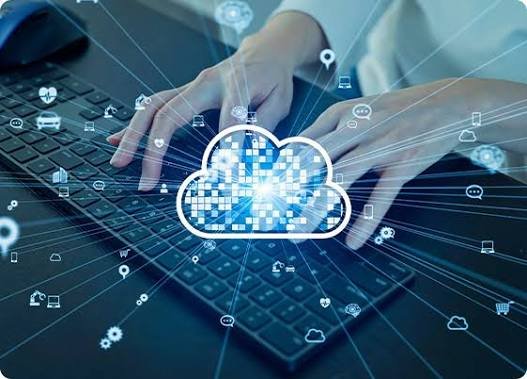
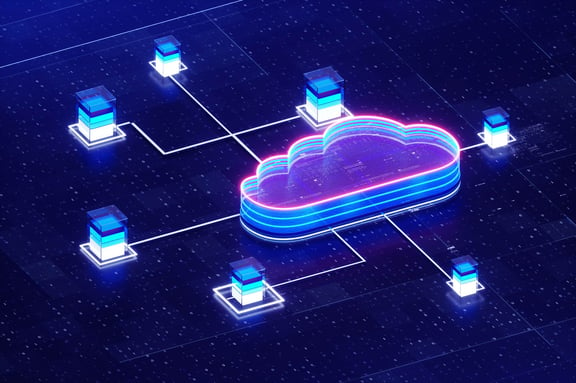
Cloud computing has fundamentally changed how organizations store information, operate applications, and manage technology resources. Instead of maintaining every computing system within physical offices, businesses can access infrastructure, software, and processing capabilities through remote cloud environments. This approach provides flexibility, allowing organizations to adjust computing resources according to operational requirements without making large investments in physical equipment.
Understanding cloud infrastructure alongside cloudelder com helps illustrate why scalable digital systems are central to modern innovation. Small businesses can launch online services using cloud platforms, while larger organizations can coordinate international operations through connected infrastructure. Cloud computing also supports remote collaboration, automated backups, and advanced data analysis. However, companies must carefully consider security configurations, ongoing costs, regulatory obligations, and service reliability. A well-designed cloud strategy balances convenience with operational resilience, ensuring that technological flexibility does not create unnecessary risks.
Hybrid Cloud and Multi-Cloud Strategies
Many organizations are adopting hybrid cloud environments that combine private infrastructure with public cloud services. This approach allows sensitive workloads to remain within controlled environments while other applications benefit from flexible cloud resources. Multi-cloud strategies, which involve services from multiple providers, can also support specialized requirements and reduce dependence on a single vendor.
These arrangements introduce additional complexity, particularly in monitoring, identity management, data movement, and cost optimization. Businesses therefore need clear architectural planning and consistent security standards to operate distributed environments effectively.
Cybersecurity and Digital Privacy in a Connected World
As digital systems become more sophisticated, cybersecurity threats are also evolving. Organizations face risks involving phishing attacks, ransomware, stolen credentials, software vulnerabilities, and unauthorized access to confidential information. The increasing use of connected devices and cloud services expands the number of systems that require protection. Consequently, cybersecurity has become a fundamental business responsibility rather than an isolated technical function.
Modern security strategies emphasize continuous monitoring, strong identity verification, encryption, and rapid incident response. Zero-trust security models are gaining attention because they require access requests to be verified rather than automatically trusting users or devices within a network. Exploring these developments through the broader technology discussions associated with cloudelder com highlights the importance of protecting digital infrastructure while adopting innovative solutions. Businesses that invest in security awareness, employee training, and reliable recovery procedures are better prepared to manage cyber incidents and maintain customer confidence.
Edge Computing and the Growth of Connected Devices
Edge computing is becoming increasingly important as organizations generate larger quantities of information through connected equipment, sensors, and smart devices. Traditional cloud computing often involves transmitting data to centralized infrastructure for processing. Edge computing moves certain processing tasks closer to the devices generating information, potentially reducing communication delays and improving responsiveness.
This approach is particularly useful in environments where decisions must happen quickly. Manufacturing facilities can use local computing systems to monitor machinery, while transportation networks can analyze sensor information to support operational safety. Smart buildings may also use edge devices to adjust lighting, heating, and energy consumption based on changing conditions. Although edge computing does not eliminate the need for centralized infrastructure, it complements cloud services by distributing processing activities more efficiently.
Comparing Major Emerging Technology Trends
Different emerging technologies address different operational needs. Some focus on intelligent decision-making, while others improve infrastructure, security, connectivity, or transparency. Understanding these distinctions helps businesses choose appropriate solutions instead of adopting technology simply because it is popular.
| Technology Trend | Primary Application | Potential Benefit |
|---|---|---|
| Artificial Intelligence | Data analysis and intelligent assistance | Improved productivity and decision support |
| Cloud Computing | Scalable infrastructure and applications | Flexible resource management |
| Cybersecurity | Digital system and information protection | Reduced exposure to security threats |
| Edge Computing | Localized data processing | Faster responses and lower latency |
| Blockchain | Shared, tamper-evident records | Improved traceability |
| Internet of Things | Connected devices and sensors | Better monitoring and automation |
These technologies often create greater value when combined. For example, an industrial company may use connected sensors to collect equipment information, edge computing to process urgent signals, cloud infrastructure to store historical records, and artificial intelligence to identify potential maintenance problems.
Blockchain Technology Beyond Digital Currencies
Blockchain technology is commonly associated with cryptocurrencies, but its potential applications extend into supply chain management, record verification, and digital identity systems. A blockchain maintains records across a distributed network, with mechanisms designed to make unauthorized alterations difficult to conceal. This can improve traceability when several organizations need access to a shared record of transactions or events.
Businesses are exploring blockchain-based systems for tracking products, verifying documentation, and coordinating transactions between independent participants. For example, supply chain organizations may use shared digital records to document the movement of goods between suppliers and distributors. However, blockchain is not necessary for every recordkeeping problem. Conventional databases are often simpler, faster, and less expensive. Successful adoption depends on whether distributed verification provides a genuine advantage over established alternatives.
The Internet of Things and Smart Digital Environments
The Internet of Things, commonly known as IoT, connects physical objects to digital networks so they can collect, exchange, and sometimes respond to information. Smart home appliances, industrial sensors, connected vehicles, and wearable devices demonstrate how everyday objects are becoming part of larger technological ecosystems. These systems help organizations monitor conditions, automate selected activities, and understand how equipment performs over time.
In industrial environments, IoT sensors can detect unusual temperatures, vibrations, or energy consumption patterns that may indicate maintenance requirements. Agricultural businesses can use connected monitoring systems to measure soil conditions and support irrigation decisions. Within cities, connected infrastructure may assist with traffic monitoring and resource management. These applications show how physical environments are becoming increasingly responsive through digital connectivity, although reliable networks, device security, and data governance remain essential.
Automation and the Future of Business Operations
Automation is reshaping organizational processes by reducing the amount of manual effort required for repetitive tasks. Robotic process automation can handle structured administrative activities, while intelligent automation combines software workflows with artificial intelligence to manage more complicated processes. Organizations increasingly use these capabilities in finance, logistics, customer service, and human resource management.
The relationship between automation and cloudelder com can be understood through the broader movement toward more efficient digital business practices. For example, an online retailer might automate order confirmations, inventory notifications, and basic customer inquiries. Employees can then concentrate on complex customer issues, business development, and service improvements. However, automation requires careful planning because poorly designed workflows may reproduce errors at greater speed. Businesses should evaluate processes before automating them and maintain clear procedures for human intervention.
Practical Considerations Before Adopting Automation
Organizations evaluating automation should focus on practical business requirements rather than technological novelty. Important considerations include:
-
Identifying repetitive activities that consume significant employee time.
-
Evaluating whether existing information and processes are reliable.
-
Establishing measurable productivity and quality objectives.
-
Training employees to supervise and improve automated workflows.
-
Reviewing security, maintenance, and long-term operating costs.
These steps can help organizations develop sustainable automation strategies that improve efficiency without compromising accountability.
Digital Transformation Across Major Industries
Digital transformation involves integrating technology into organizational processes, services, and customer interactions. It is not simply about purchasing modern software or replacing traditional equipment. Successful transformation often requires changes in employee skills, operational procedures, leadership priorities, and organizational culture.
Healthcare providers are adopting digital scheduling, electronic records, and remote consultation systems to improve service coordination. Educational institutions are using online learning platforms and interactive resources to expand access to knowledge. Financial institutions increasingly rely on digital payment systems and automated fraud monitoring, while manufacturers use connected machinery to support production planning. Each industry faces different requirements, making it essential to select technologies according to practical needs rather than following identical implementation strategies.
Sustainable Technology and Energy-Efficient Innovation
Environmental sustainability is becoming an increasingly important consideration in technology development. Data centers, communication networks, and electronic devices require substantial resources throughout their operating lives. As demand for digital services expands, organizations are exploring ways to improve energy efficiency, extend equipment lifespans, and reduce unnecessary resource consumption.
Innovations in cooling systems, energy management software, renewable electricity integration, and hardware efficiency can contribute to more sustainable digital operations. Businesses are also using data analytics to monitor energy consumption and identify opportunities for improvement. Nevertheless, technological sustainability requires examining the entire lifecycle of equipment, including manufacturing, transportation, maintenance, and disposal. Responsible digital innovation should consider both economic performance and environmental consequences.
Digital Skills and Workforce Development
Technological progress is changing the capabilities employers expect from their workforce. Digital literacy, analytical thinking, cybersecurity awareness, and familiarity with AI-assisted tools are becoming valuable across a wide range of professions. Employees do not necessarily need advanced programming knowledge, but they increasingly benefit from understanding how digital systems influence their responsibilities.
Learning about emerging technology through subjects connected with cloudelder com can encourage professionals to explore new skills and understand changing industry expectations. Continuous education is particularly important because software platforms, automation tools, and business practices evolve regularly. Organizations that provide practical training and encourage experimentation can help employees adapt more confidently. Developing a learning-oriented workplace also reduces resistance to change and supports more successful technology adoption.
Challenges That Could Influence Future Technology Adoption
Despite its advantages, emerging technology introduces challenges that require thoughtful management. Organizations may encounter difficulties involving implementation expenses, legacy infrastructure, regulatory compliance, workforce readiness, and technical integration. New technologies can also create unrealistic expectations when their limitations are poorly understood.
Several challenges deserve particular attention:
-
Protecting personal and organizational information from misuse.
-
Managing implementation costs and measuring genuine business value.
-
Addressing skills shortages and supporting employee development.
-
Ensuring fairness, transparency, and accountability in automated systems.
Successful technology adoption requires a balance between experimentation and responsible planning. Businesses that test solutions carefully, establish measurable objectives, and evaluate results are more likely to achieve sustainable improvements than organizations that pursue innovation without a clear purpose.
The Future of Emerging Technology and Digital Innovation
The next phase of digital development is likely to involve deeper integration between artificial intelligence, cloud infrastructure, robotics, and connected devices. Rather than operating as independent technologies, these systems will increasingly work together to support complex business processes. Intelligent software agents may coordinate selected tasks, advanced robotics may support more adaptable manufacturing environments, and improved computing infrastructure may expand the possibilities for scientific research and industrial analysis.
Future developments will also place greater emphasis on trustworthy systems, efficient resource use, and responsible data management. Organizations will need to evaluate not only what technologies can accomplish but also whether they deliver dependable results and meet social expectations. Following emerging developments alongside cloudelder com provides a useful thematic starting point for examining these changes and considering how technological innovation may influence businesses, careers, and daily life.
Frequently Asked Questions
1. What are the most important emerging technology trends today?
Artificial intelligence, cloud computing, cybersecurity, edge computing, intelligent automation, and connected devices are among the most influential technology trends. Their importance comes from their ability to improve information processing, strengthen digital infrastructure, and support more efficient operations across different industries.
2. Why should businesses pay attention to emerging technologies?
Businesses should monitor emerging technologies because innovation can influence productivity, customer expectations, operational expenses, and competitive performance. Understanding these developments helps organizations identify valuable opportunities, evaluate potential risks, and make informed decisions about future investments.
3. How does artificial intelligence support digital transformation?
Artificial intelligence supports digital transformation by analyzing information, assisting with repetitive activities, generating content, and providing decision-making support. When combined with reliable data and appropriate human supervision, AI can improve organizational efficiency and enable new services.
4. What role does cloud computing play in modern business?
Cloud computing allows businesses to access flexible computing resources, digital applications, and storage services without maintaining every system locally. It supports collaboration, scalability, and data processing while requiring appropriate attention to security, reliability, and ongoing costs.
5. How can individuals prepare for future technological changes?
Individuals can prepare by developing digital literacy, learning to use modern productivity tools, improving analytical skills, and maintaining awareness of cybersecurity practices. Continuous learning and practical experience are particularly valuable because technological requirements change over time.
Conclusion
Emerging technologies are reshaping the modern digital landscape by introducing new ways to communicate, manage information, automate processes, and deliver services. Artificial intelligence, cloud computing, cybersecurity, blockchain, and connected devices each contribute to this transformation, although their benefits depend on appropriate implementation and responsible management. Understanding how these innovations interact allows businesses and individuals to make more informed decisions about technological opportunities.
Exploring emerging technology trends alongside cloudelder com reinforces the importance of remaining informed, adaptable, and open to continuous learning. As digital innovation progresses, the most successful organizations will be those that combine technological capabilities with human expertise, reliable governance, and clear strategic objectives. By focusing on practical applications rather than temporary excitement, businesses and professionals can navigate technological change more effectively and prepare for a future shaped by intelligent, connected, and increasingly sophisticated digital systems.
