

Introduction
Cloud technology has become an essential part of modern digital life, transforming how businesses manage information, operate applications, and communicate with customers. Organizations of all sizes increasingly depend on cloud-based systems to improve productivity, reduce infrastructure complexity, and support business growth. As these technologies continue to develop, understanding cloud computing has become important for professionals, entrepreneurs, and everyday technology users. Resources focused on explaining digital developments can help people make informed decisions about adopting modern solutions.
In this changing environment, cloudelder com is a useful search topic for exploring smarter cloud technology insights and understanding the broader digital landscape. Topics such as cloud infrastructure, cybersecurity, artificial intelligence, and data management are particularly relevant to businesses seeking reliable technological solutions. Rather than viewing cloud computing simply as online storage, readers can explore its influence on business operations, customer experiences, and long-term innovation.
The current technology environment also highlights the importance of flexibility, security, and efficiency. Businesses are moving away from traditional infrastructure models toward connected platforms that allow employees to collaborate from different locations. Understanding these developments helps organizations identify opportunities, manage potential risks, and prepare for future technological changes.
Understanding Cloud Technology in the Modern Digital World
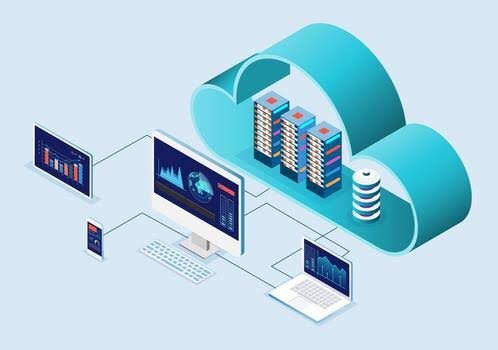
Cloud computing refers to delivering computing resources, including storage, servers, databases, networking, and software, through internet-connected services. Instead of purchasing and maintaining every component of physical infrastructure, businesses can access computing resources according to their requirements. This approach offers flexibility because organizations can increase or decrease their capacity as workloads change. It also reduces the need for extensive on-site hardware maintenance, although cloud services still require careful administration and financial planning.
Modern cloud technology supports numerous activities, from managing business documents to operating complex applications and analyzing large datasets. Online banking, streaming platforms, customer relationship management systems, and collaborative workplace applications frequently depend on cloud infrastructure. As organizations become increasingly digital, cloud computing provides a foundation for innovation and operational efficiency. However, choosing an appropriate cloud solution requires understanding security responsibilities, performance requirements, pricing models, and the reliability of service providers.
Why Cloud Knowledge Matters Today
Understanding cloud technology is no longer limited to software developers or information technology specialists. Business owners, marketing professionals, students, and independent entrepreneurs can benefit from knowing how cloud services operate. For example, a small retail business may use cloud-based inventory management to monitor product availability across multiple locations. Similarly, a marketing agency might rely on shared digital platforms to coordinate campaigns and manage customer information.
Knowledge also helps users distinguish between different cloud deployment models and recognize potential challenges. Public cloud environments provide shared infrastructure operated by service providers, while private cloud environments are dedicated to a particular organization. Hybrid cloud approaches combine different environments to accommodate specific operational needs. Each model offers advantages depending on business objectives, compliance requirements, and available resources.
How Cloudelder Com Connects With Smarter Technology Insights
The growing interest in cloudelder com reflects a broader demand for accessible information about cloud computing and digital transformation. People searching for technology insights often want practical explanations rather than complicated technical terminology. Understanding how cloud solutions relate to business challenges can make emerging technologies easier to evaluate. Topics such as data storage, virtual infrastructure, automated workflows, and online security provide useful starting points for developing stronger digital knowledge.
A valuable technology-focused resource should explain not only what a particular innovation does but also why it matters. For instance, discussing cloud migration becomes more useful when accompanied by explanations of preparation, implementation challenges, and ongoing management. Readers can then connect technical concepts with practical business situations. Information should also distinguish established technology practices from emerging possibilities, helping readers develop realistic expectations about what modern cloud systems can achieve.
Major Cloud Computing Trends Shaping the Current Scenario
Cloud computing continues to evolve as businesses adopt artificial intelligence, distributed infrastructure, and increasingly sophisticated security practices. One significant development is the growing use of AI-powered cloud services. These services allow organizations to process information, automate selected tasks, and support decision-making without necessarily building advanced computing environments independently. However, successful adoption depends on reliable data, appropriate governance, and continuous monitoring of performance.
Another important development is the increasing attention given to hybrid and multicloud strategies. Some organizations use services from multiple providers to address different technical requirements or reduce dependence on a single platform. Meanwhile, edge computing brings certain processing activities closer to devices and users, helping applications that require rapid responses. These approaches are not suitable for every business, but they demonstrate how cloud infrastructure is becoming more adaptable to specialized workloads.
Important Cloud Technology Developments
Several developments deserve attention when evaluating modern cloud solutions:
-
AI-powered cloud services: Support intelligent automation, data analysis, and application development.
-
Hybrid cloud environments: Combine different infrastructure models to address operational and security requirements.
-
Cloud-native applications: Use modern development approaches to improve deployment flexibility and scalability.
-
Advanced security systems: Apply identity management, encryption, and continuous monitoring to protect digital resources.
-
Cloud cost optimization: Helps organizations understand resource consumption and control unnecessary spending.
These developments highlight the relationship between technological innovation and practical business needs. Organizations benefit most when they select technologies according to measurable objectives rather than adopting every emerging trend.
Cloud Computing and Business Digital Transformation
Digital transformation involves using technology to improve how an organization operates, delivers services, and responds to changing customer expectations. Cloud computing plays an important role because it provides access to infrastructure and applications that can support modernization. Businesses can replace disconnected systems with integrated platforms, improve information accessibility, and create more consistent workflows. For example, a service company might connect customer inquiries, appointment scheduling, and billing through cloud-based applications.
Exploring cloudelder com as part of a wider technology research process can encourage businesses to examine these possibilities more carefully. Digital transformation is not simply about purchasing new software; it requires evaluating existing processes, training employees, and establishing realistic performance goals. A company that moves inefficient workflows into the cloud without improving them may experience limited benefits. Successful transformation therefore depends on combining suitable technology with thoughtful organizational planning and ongoing improvement.
Improving Collaboration and Workplace Productivity
Cloud-based collaboration tools allow teams to access shared documents, manage projects, and communicate across different locations. This flexibility has become particularly valuable for organizations with remote, hybrid, or geographically distributed employees. Instead of relying on files stored on individual computers, authorized team members can work within centralized digital environments. Version histories, access permissions, and automated synchronization can reduce confusion and support more consistent information management.
However, productivity improvements are not automatic. Organizations must establish clear guidelines for document ownership, communication, and information security. Employees also need sufficient training to use available features effectively. When supported by appropriate policies, cloud collaboration can reduce repetitive administrative tasks and improve coordination between departments.
Comparing Popular Cloud Computing Models
Different cloud service models provide varying levels of control and management responsibility. Understanding these differences helps businesses select solutions that match their technical capabilities and operational requirements.
| Cloud Model | Main Purpose | Typical Use Case | Key Consideration |
|---|---|---|---|
| Infrastructure as a Service (IaaS) | Provides virtual computing infrastructure | Hosting applications and servers | Requires infrastructure configuration and management |
| Platform as a Service (PaaS) | Provides managed application development environments | Building and deploying software | Offers convenience with some platform limitations |
| Software as a Service (SaaS) | Delivers ready-to-use online applications | Email, accounting, and collaboration | Depends on provider features and access controls |
| Public Cloud | Offers shared provider-managed infrastructure | Scalable business applications | Requires appropriate security configuration |
| Private Cloud | Provides dedicated cloud infrastructure | Specialized organizational workloads | May involve higher management costs |
| Hybrid Cloud | Connects different computing environments | Combining existing systems with cloud services | Integration can increase complexity |
The most suitable model depends on the organization’s goals, technical expertise, budget, and regulatory responsibilities. Businesses should compare total costs and operational requirements instead of assuming that one model is universally superior.
The Importance of Cloud Security and Data Protection
Security remains one of the most important considerations in cloud computing. As organizations store customer records, financial information, and operational data in connected environments, they must protect those resources against unauthorized access, accidental disclosure, and service disruption. Cloud providers generally secure underlying infrastructure according to their service responsibilities, while customers remain responsible for areas such as account permissions, application configurations, and appropriate data handling.
Readers researching cloudelder com and related cloud security topics should pay particular attention to the shared responsibility model. Strong security practices include multifactor authentication, encryption, regular software updates, backup procedures, and monitoring of unusual activity. Businesses should also review applicable privacy laws and industry requirements before moving sensitive information into cloud environments. A well-designed security strategy combines technical controls with employee awareness and documented incident response procedures.
Building a Stronger Cloud Security Strategy
Organizations can improve their cloud security posture by focusing on a few essential practices:
-
Establish role-based access controls so employees receive only the permissions they need.
-
Enable multifactor authentication for accounts accessing sensitive systems.
-
Maintain tested backups and documented recovery procedures.
-
Review cloud configurations and security alerts regularly.
Security should be treated as an ongoing responsibility rather than a one-time setup activity. New applications, changing employee roles, and evolving threats can introduce vulnerabilities. Regular assessments help organizations identify weaknesses before they develop into serious operational problems.
Artificial Intelligence and the Future of Cloud Innovation
Artificial intelligence is increasingly integrated into cloud platforms, making advanced analytical and automation capabilities accessible to a wider range of organizations. Cloud-based AI services can support customer service systems, document processing, predictive maintenance, and business forecasting. For example, an online retailer might analyze purchasing patterns to improve inventory planning, while a logistics company could use forecasting models to anticipate demand fluctuations.
The relationship between AI and cloud computing also creates new responsibilities. Organizations must consider data quality, privacy, model accuracy, and the possibility of biased or incorrect outputs. AI systems should be evaluated against clearly defined business goals, with human oversight for important decisions. Cloud infrastructure makes these tools easier to access, but successful results depend on responsible implementation and continuous evaluation.
How Cloud Technology Supports Small and Medium Businesses
Small and medium businesses often operate with limited budgets and technical resources. Cloud services can provide access to business applications without requiring substantial investments in physical servers. Subscription-based accounting tools, online customer management systems, and digital collaboration platforms allow smaller organizations to use capabilities that previously required significant infrastructure.
For readers interested in cloudelder com, understanding these practical applications offers a useful perspective on technology adoption. Consider a small consulting firm that needs secure document sharing, client communication, and project tracking. Rather than maintaining separate local systems, the firm may choose integrated cloud applications. This arrangement can simplify administration and support growth, provided the company evaluates subscription costs, backup options, and data portability before committing to a provider.
Managing Cloud Costs and Resources Effectively
Cloud computing is often associated with cost efficiency, but actual savings depend on how services are configured and used. Businesses may face unexpected expenses when they leave unused resources running, transfer large volumes of data, or select services that exceed their requirements. Consumption-based pricing provides flexibility, yet it also makes financial monitoring important.
Organizations can improve cost management by reviewing resource utilization, establishing spending alerts, and removing unnecessary services. Predictable workloads may benefit from committed-use pricing arrangements, while variable workloads can benefit from flexible scaling. Regular financial reviews help businesses connect cloud expenditure with measurable outcomes such as improved service delivery, reduced maintenance work, or faster application deployment.
Common Challenges in Cloud Adoption
Despite its advantages, cloud adoption introduces several challenges that businesses should understand before migration. Moving existing applications can require technical adjustments, data preparation, and changes to established workflows. Older software may not operate efficiently in modern cloud environments without modification. Organizations must also evaluate network reliability, service availability, and the potential consequences of depending heavily on a particular provider.
Another challenge involves managing organizational change. Employees accustomed to traditional systems may require training and support when new digital tools are introduced. Inadequate planning can lead to duplicated information, unclear responsibilities, and inconsistent security practices. Businesses should therefore approach migration as a structured project, beginning with an assessment of current systems and continuing through testing, employee training, and performance monitoring.
Making Better Technology Decisions Through Reliable Insights
Technology information is most useful when it helps readers distinguish genuine business benefits from promotional claims. When researching cloud computing, organizations should consider whether a solution addresses a clearly identified problem. They should also evaluate provider documentation, independent technical assessments, service agreements, and implementation requirements. Comparing different viewpoints reduces the likelihood of making decisions based entirely on marketing promises.
Searching for cloudelder com may form part of a broader effort to understand cloud-related developments, but important technical decisions should be supported by verifiable information. Readers should check publication dates, confirm product capabilities, and consider whether recommendations apply to their circumstances. Because cloud platforms evolve frequently, older guidance may no longer reflect current pricing structures, security features, or service limitations.
The Future of Smarter Cloud Technology
The future of cloud computing is likely to involve greater automation, more specialized computing services, and closer integration between cloud platforms and connected devices. Organizations are increasingly interested in systems that can respond to changing workloads while maintaining reliable performance and appropriate security. Developments in AI-assisted operations, serverless computing, and distributed application architectures may help businesses manage certain technical tasks more efficiently.
Sustainability is also becoming an important consideration. Organizations are paying closer attention to the energy consumption and environmental impact of digital infrastructure. Efficient application design, appropriate resource allocation, and transparent sustainability reporting can contribute to more responsible technology practices. At the same time, businesses must balance innovation with affordability, regulatory compliance, and long-term operational stability.
As interest in cloudelder com and smarter technology insights continues, the broader lesson is that cloud knowledge should remain practical and adaptable. New tools will continue to appear, but organizations that understand their requirements, manage risks, and evaluate outcomes carefully will be better positioned to benefit from technological progress.
Frequently Asked Questions
1. What is cloudelder com, and why might readers search for it?
The term cloudelder com may be encountered by people researching cloud technology and digital solutions. This article explores relevant cloud computing concepts rather than making unverified claims about a particular website’s services or features. Readers can use the discussion to better understand infrastructure, cybersecurity, automation, and business technology trends.
2. How does cloud computing benefit modern businesses?
Cloud computing allows businesses to access applications, storage, and computing resources without maintaining every component locally. Depending on the chosen services, it can improve scalability, collaboration, and operational flexibility. Businesses still need to evaluate security, performance, and total costs to achieve meaningful benefits.
3. Is cloud computing suitable for small businesses?
Yes, cloud computing can be suitable for small businesses because many services offer flexible subscriptions and straightforward administration. Accounting applications, document storage, customer management systems, and communication tools are common examples. However, businesses should review privacy requirements, service reliability, and recurring expenses before selecting a solution.
4. What are the biggest security risks associated with cloud technology?
Common risks include weak account authentication, excessive access permissions, incorrect configurations, insecure applications, and inadequate backup procedures. Organizations can reduce these risks through strong identity controls, encryption, monitoring, employee training, and regular security assessments.
5. How is artificial intelligence changing cloud computing?
Artificial intelligence is expanding the range of services available through cloud platforms. Businesses can use AI capabilities for data analysis, customer support, automation, and forecasting. These applications can improve efficiency, but organizations must manage data privacy, output accuracy, and appropriate human oversight.
6. What should businesses consider before adopting cloud services?
Businesses should begin by identifying their operational requirements and evaluating existing infrastructure. Important considerations include security, compliance, service availability, scalability, migration complexity, and pricing. Testing solutions on a limited scale before wider deployment can help identify potential problems and improve implementation decisions.
Conclusion
Cloud computing has become a major foundation of modern digital transformation, supporting everything from everyday business applications to advanced artificial intelligence systems. Its ability to provide flexible computing resources, enable collaboration, and support innovation makes it valuable across many industries. However, organizations achieve the strongest results when they combine technological capabilities with careful planning, effective security practices, and realistic financial management.
Exploring cloudelder com within the wider context of cloud technology provides an opportunity to understand the developments shaping modern digital operations. From infrastructure models and cybersecurity to AI integration and cost optimization, these topics help readers evaluate cloud solutions with greater confidence.
As technology continues to evolve, businesses and individuals should focus on continuous learning, reliable information, and practical implementation. Smarter cloud decisions are not simply about adopting the newest tools. They involve choosing appropriate solutions, protecting valuable information, and building digital systems that can support sustainable growth over time.
