


Introduction
Digital technology has transformed the way people create, store, manage, and share information. From personal photographs and business documents to large databases and online applications, almost everything now depends on reliable digital infrastructure. Traditional storage methods, such as physical hard drives, memory cards, and local servers, once played an important role in managing information. However, growing data requirements and the demand for instant access have encouraged individuals and organizations to explore more flexible solutions. Cloud computing has become an important part of this transformation, offering new possibilities for storing information and supporting digital innovation.
In this changing technological environment, cloudelder com represents a topic worth exploring because it connects with broader discussions about cloud technology, digital storage, and the future of online information management. Modern users increasingly expect their files and applications to remain accessible across multiple devices without depending entirely on physical storage equipment. Businesses also need systems that can support collaboration, protect important information, and adapt to changing operational requirements. Understanding these developments helps users recognize how digital storage is becoming more than a place to keep files.
Understanding the Evolution of Digital Storage
Digital storage has experienced significant changes over the past several decades. Earlier computer systems depended on floppy disks, compact discs, and external storage devices to save information. Although these technologies provided useful solutions at the time, they required users to manage physical equipment and maintain separate copies of important files. Storage capacity was also limited compared with the requirements of modern applications. As digital information increased, individuals and businesses began searching for more convenient ways to organize and protect their data.
The introduction of larger hard drives and portable USB devices improved accessibility, but these solutions still had limitations. Users could lose important information if a device became damaged, misplaced, or infected with malicious software. Sharing files between different locations also required physical transfers or complicated network arrangements. These challenges encouraged the development of internet-based storage systems that could make information available from different devices.
How Cloud Technology Is Changing Digital Storage
Cloud technology has changed the relationship between users and their digital information. Rather than keeping every file on a single computer, users can access stored information through supported online services. This flexibility is particularly valuable for people who regularly move between smartphones, tablets, laptops, and desktop computers. A document created on one device can be accessed from another without requiring a manual transfer.
For businesses, cloud infrastructure provides an opportunity to manage growing workloads without continuously purchasing additional physical servers. Organizations can select storage capacity according to their requirements and expand resources when necessary. This approach can reduce the need for large upfront hardware investments while supporting more flexible technology planning.
The growing interest in cloudelder com reflects the importance of understanding this broader transformation. Cloud technology is no longer limited to saving documents or creating backups. It supports modern business applications, digital communication, software development, and information-sharing systems. Its importance continues to increase as organizations adopt more connected and data-driven working methods.
Cloud Storage and Everyday Convenience
One of the most recognizable benefits of cloud storage is convenience. Students can save educational materials, professionals can manage work documents, and families can preserve photographs without depending entirely on local devices. Online storage also makes it easier to share selected files with other people, reducing the time required to transfer large amounts of information.
Automatic synchronization is another useful development. When enabled, synchronization services can update files across connected devices. For example, a person who edits a document on a laptop may later access its updated version through a smartphone. This reduces the possibility of working with outdated copies and makes everyday digital activities more efficient.
The Connection Between Cloud Computing and Innovation
Cloud computing has become an important foundation for technological innovation. Developers can use cloud infrastructure to create, test, and operate applications without maintaining every component of the underlying hardware. This makes software development more flexible and allows businesses to introduce digital services more quickly.
Artificial intelligence is another area benefiting from cloud infrastructure. AI applications frequently require significant computing resources to process information, recognize patterns, and generate useful results. Cloud platforms can provide access to computing capacity that would be difficult or expensive for many organizations to maintain independently. Businesses can therefore experiment with automation, intelligent customer support, and predictive analysis.
The discussion surrounding cloudelder com also highlights how storage technology connects with wider digital progress. Information stored in cloud environments can support business intelligence, research activities, and automated processes when it is managed responsibly. A company might use cloud-based systems to examine customer activity, identify operational patterns, and improve its services. These capabilities demonstrate that digital storage has developed into an important part of modern innovation.
Artificial Intelligence and Cloud Infrastructure
Artificial intelligence requires access to computing resources, reliable data pipelines, and suitable storage environments. Cloud infrastructure can provide these resources through flexible services that support machine learning and advanced analytics. Organizations can use such systems to process large datasets, train models, and operate AI-powered applications.
However, successful AI implementation requires more than computing power. Businesses must also consider data quality, privacy, transparency, and responsible use. Poorly managed information can produce unreliable results, while inadequate security controls may expose sensitive records. Therefore, cloud-based innovation should always be supported by appropriate governance and technical oversight.
Important Benefits of Modern Cloud Solutions
Cloud-based systems offer several advantages that explain their growing adoption across different industries. Their value depends on how effectively an organization selects, configures, and manages the services it uses.
The most important benefits include:
-
Flexible storage capacity: Users can increase or adjust resources as their requirements change.
-
Remote accessibility: Authorized users can access information from different locations and devices.
-
Improved collaboration: Teams can work with shared documents and applications.
-
Business continuity: Properly configured backup and recovery systems can help organizations recover important information.
-
Operational flexibility: Companies can use cloud services without managing every physical infrastructure component themselves.
These advantages are especially useful for organizations with distributed teams, changing workloads, and growing digital requirements. Nevertheless, cloud adoption should be based on practical needs rather than assumptions that every online service automatically improves performance.
Data Security and Privacy in the Cloud Era
Data security is one of the most important considerations in modern cloud computing. As people and businesses move more information online, protecting that information becomes increasingly important. Personal documents, financial records, customer details, and confidential business information may all require different levels of protection.
Cloud providers generally offer security features such as encryption, identity management, access controls, monitoring, and backup options. However, the availability of these features does not guarantee complete protection. Users and organizations must configure services correctly, maintain strong authentication practices, and regularly review account permissions.
Cloudelder com can be explored within this wider conversation about the relationship between digital convenience and responsible information management. A secure storage environment should make information accessible to authorized users while preventing unauthorized access. This requires a combination of suitable technology, clear policies, and informed user behavior.
Common Cloud Security Challenges
Cyberattacks, phishing attempts, weak passwords, and incorrectly configured storage permissions can create serious security risks. Human mistakes also contribute to data exposure, particularly when employees share confidential files with unintended recipients or use unsecured devices.
Organizations can reduce these risks by following several practical measures. Multi-factor authentication adds another layer of account protection, while encryption helps protect information during storage and transmission. Regular software updates address known vulnerabilities, and access restrictions ensure employees receive only the permissions necessary for their responsibilities.
Another important consideration is the shared responsibility model. Cloud providers are responsible for protecting their underlying infrastructure, while customers generally remain responsible for managing their accounts, data, access settings, and application configurations. Understanding this distinction is essential for maintaining a reliable cloud environment.
Comparing Traditional Storage and Cloud Storage
Traditional storage and cloud storage both serve important purposes, but they offer different advantages. Local storage can provide direct access to files without requiring an internet connection, while cloud storage offers remote availability and easier synchronization. The most appropriate solution depends on security requirements, accessibility needs, budgets, and the nature of the information being managed.
| Feature | Traditional Storage | Cloud Storage |
|---|---|---|
| Accessibility | Mainly through connected physical devices | Through supported internet-connected devices |
| Capacity | Depends on available hardware | Can often be expanded through service plans |
| Maintenance | Hardware maintenance is required | Provider manages much of the infrastructure |
| Collaboration | Often requires manual file sharing | Supports online file sharing and collaboration |
| Backup | Usually needs separate backup arrangements | May offer integrated backup options |
| Internet requirement | Many local files work offline | Internet is generally needed for remote access |
A combination of both approaches can be useful. For example, a business might keep frequently used files in a cloud environment while maintaining encrypted local backups for additional protection. This hybrid strategy can balance accessibility, performance, and control over important information.
The Role of Cloud Technology in Modern Businesses
Businesses increasingly depend on digital platforms to communicate with customers, coordinate employees, manage transactions, and organize operational information. Cloud computing helps bring these activities together through connected systems. Employees can collaborate on shared projects, managers can monitor business operations, and customers can access digital services without being physically present at company locations.
Small businesses can also benefit from cloud-based applications. Instead of purchasing expensive servers and maintaining dedicated technical infrastructure, they can use subscription-based services for accounting, communication, file management, and customer relationships. This can make advanced digital tools more accessible to organizations with limited budgets.
The relevance of cloudelder com extends to understanding how these solutions contribute to business development. Cloud technology can support remote working arrangements, faster application deployment, and more flexible resource management. However, companies should evaluate subscription costs, data ownership, provider reliability, and migration requirements before choosing a platform.
Supporting Remote Work and Team Collaboration
Remote and hybrid working arrangements have increased the importance of reliable online collaboration. Employees may work from different cities or countries while contributing to the same project. Cloud-based applications allow authorized team members to access shared documents, communicate through digital platforms, and coordinate responsibilities.
Version control and permission management are particularly useful in these situations. They help teams identify document changes and control who can view or modify specific information. When combined with clear communication policies, these features can improve productivity and reduce confusion.
Current Trends Shaping the Future of Cloud Computing
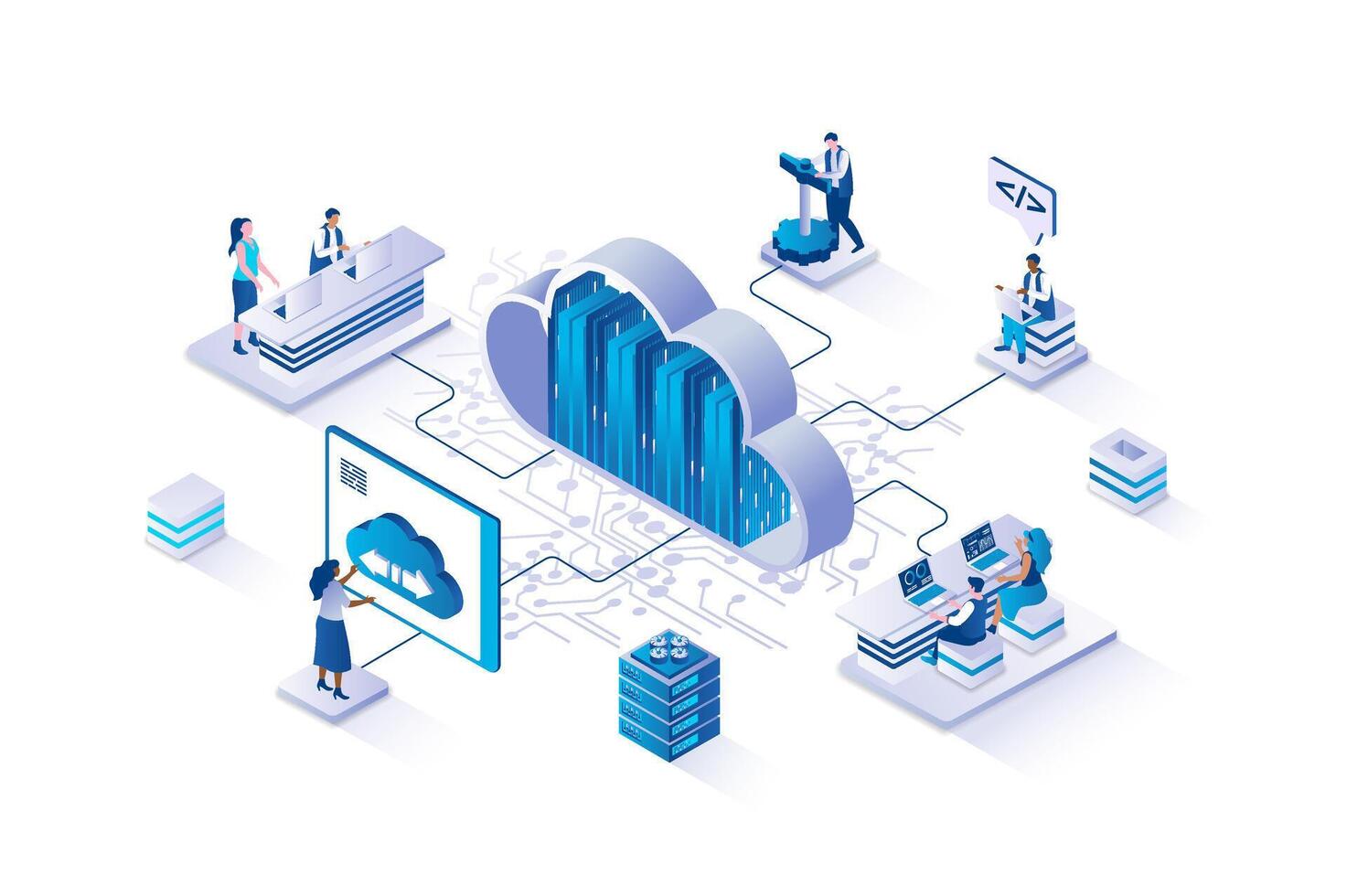
Cloud computing continues to develop as organizations demand faster, more secure, and more intelligent digital services. Several technological trends are influencing how storage and computing infrastructure will evolve in the coming years.
Multi-Cloud and Hybrid Cloud Adoption
Many organizations are moving beyond depending on a single cloud provider. Multi-cloud strategies involve using services from multiple providers, while hybrid cloud environments combine private infrastructure with public cloud services. These approaches can offer greater flexibility and help organizations select suitable environments for different workloads.
However, managing several platforms can introduce additional complexity. Businesses must coordinate security policies, monitor costs, and maintain consistent access controls across different systems. Effective planning is therefore necessary to gain the benefits of these approaches.
Edge Computing and Faster Data Processing
Edge computing brings data processing closer to the devices or locations where information is generated. This can reduce delays in applications that require rapid responses, including industrial monitoring, connected vehicles, and smart devices.
Cloud infrastructure continues to play an important role in this environment by supporting centralized management, large-scale analysis, and long-term storage. Together, edge and cloud computing can create more responsive digital systems.
Green Cloud Computing
Environmental responsibility is becoming an important consideration in technology planning. Large data centers require electricity for servers, cooling systems, and supporting infrastructure. Cloud providers and technology organizations are increasingly exploring energy-efficient hardware, improved cooling methods, renewable electricity, and more efficient resource utilization.
Sustainable cloud computing is not simply about reducing energy consumption. It also involves using computing resources efficiently and avoiding unnecessary infrastructure. Organizations can contribute by selecting suitable service configurations and monitoring their digital workloads.
Choosing the Right Cloud Storage Approach
Selecting a cloud storage solution requires a clear understanding of individual or organizational requirements. Users should consider the amount of information they need to store, the sensitivity of their files, the number of people requiring access, and the level of reliability expected from the service.
Storage capacity is only one part of the decision. Security controls, backup arrangements, recovery options, compatibility, and pricing also matter. A platform with a low starting price may become expensive when additional storage, data transfers, or advanced features are required. Reviewing the complete cost structure can help prevent unexpected expenses.
Before adopting a cloud solution, users should consider the following questions:
-
Does the platform provide appropriate security and privacy controls?
-
Can its storage capacity support future requirements?
-
Are backup and recovery options available?
-
Does the service work with existing devices and applications?
-
Are its long-term costs suitable for the available budget?
A careful evaluation helps users select technology that supports their actual needs instead of choosing services based only on popularity or advertising.
How Cloudelder Com Reflects the Changing Digital Landscape
The growing discussion around cloudelder com provides an opportunity to examine the relationship between digital storage and technological progress. Modern cloud environments demonstrate that storing information is only one part of a much larger digital ecosystem. Data can support communication, application development, research, business planning, and intelligent automation when suitable systems are available.
For individuals, understanding cloud technology can improve everyday digital habits. Learning about synchronization, secure sharing, and backup practices helps protect important information and makes it easier to work across multiple devices. For businesses, knowledge of cloud infrastructure supports better decisions about operational efficiency, security, and technology investments.
As digital services become increasingly connected, users will need to understand not only how cloud platforms work but also how to manage information responsibly. This includes evaluating service providers, protecting access credentials, understanding privacy policies, and maintaining backup arrangements. Such awareness will remain valuable as new technologies introduce more advanced ways to process and use digital information.
Frequently Asked Questions
1. What is cloud technology?
Cloud technology refers to the delivery of computing resources, including storage, databases, software, and processing power, through internet-connected services. It allows users to access digital resources without maintaining all the required physical infrastructure themselves.
2. How does cloud storage help individuals?
Cloud storage allows individuals to save documents, photographs, videos, and other files online. It can make information accessible across multiple devices, support file sharing, and provide additional backup options. Users should still review privacy settings and maintain secure account credentials.
3. Why is cloud computing important for businesses?
Cloud computing helps businesses manage digital operations, support remote collaboration, and adjust computing resources according to demand. It can also reduce the need to purchase and maintain extensive physical infrastructure, although subscription fees and management requirements must be considered.
4. Is cloud storage completely secure?
No digital storage system is completely free from security risks. Cloud services may provide encryption, authentication, and monitoring features, but users must configure these protections correctly. Strong passwords, multi-factor authentication, regular backups, and careful permission management can improve security.
5. How is artificial intelligence connected to cloud computing?
Artificial intelligence applications often require significant computing power and access to large datasets. Cloud infrastructure can provide scalable processing resources and storage environments that help developers build, train, and operate AI-powered applications.
6. What does cloudelder com represent in discussions about digital innovation?
Cloudelder com can be discussed in the context of changing digital storage practices, cloud computing, and technology innovation. These subjects help explain how modern online infrastructure supports information management, business operations, collaboration, and emerging technologies.
Conclusion
The transformation from traditional storage devices to advanced cloud infrastructure represents one of the most important developments in modern digital technology. Cloud computing has changed how people access information, how businesses manage operations, and how developers create innovative applications. Its advantages include flexible storage, remote accessibility, collaboration, and scalable computing resources. At the same time, security, privacy, cost management, and responsible data handling remain essential considerations.
Exploring cloudelder com provides a useful perspective on the broader relationship between digital storage and innovation. As artificial intelligence, edge computing, hybrid infrastructure, and sustainable data centers continue to influence the technology industry, cloud solutions are likely to become even more important. Understanding these developments can help individuals and organizations make informed decisions about their digital future. Ultimately, the real value of cloud technology lies not only in storing information but also in transforming that information into useful knowledge, improved services, and meaningful innovation.
