


Cybersecurity has become one of the most important aspects of modern digital life. Whether you use the internet for work, online banking, shopping, education, or social networking, protecting your personal information should always be a priority. Cybercriminals continue to develop new techniques to steal passwords, financial details, and sensitive data. Fortunately, adopting smart security habits can significantly reduce these risks. This comprehensive cloudeldercom guide explores the latest cybersecurity tips that individuals and businesses can use to stay protected online. From creating strong passwords to recognizing phishing scams and securing smart devices, understanding these best practices will help you build a safer digital environment. Cybersecurity is no longer just an IT concern; it is everyone’s responsibility. By staying informed and implementing practical security measures, you can confidently browse the internet while minimizing the chances of becoming a victim of cybercrime.
Why Cybersecurity Matters More Than Ever
The digital world has expanded rapidly over the past decade, bringing incredible convenience along with increased security risks. Nearly every aspect of daily life now depends on connected devices, cloud storage, and online services. Unfortunately, hackers constantly search for weaknesses in networks, software, and user behavior. Data breaches can expose personal records, while ransomware attacks can lock important files until payment is made. Identity theft continues to rise as cybercriminals exploit stolen credentials. According to security experts, human error remains one of the leading causes of cyber incidents. The cloudeldercom approach emphasizes education alongside technology because informed users make smarter security decisions. Understanding current cyber threats enables individuals and organizations to recognize suspicious activities before significant damage occurs. Investing time in cybersecurity awareness today can prevent costly financial losses and protect valuable personal information in the future.
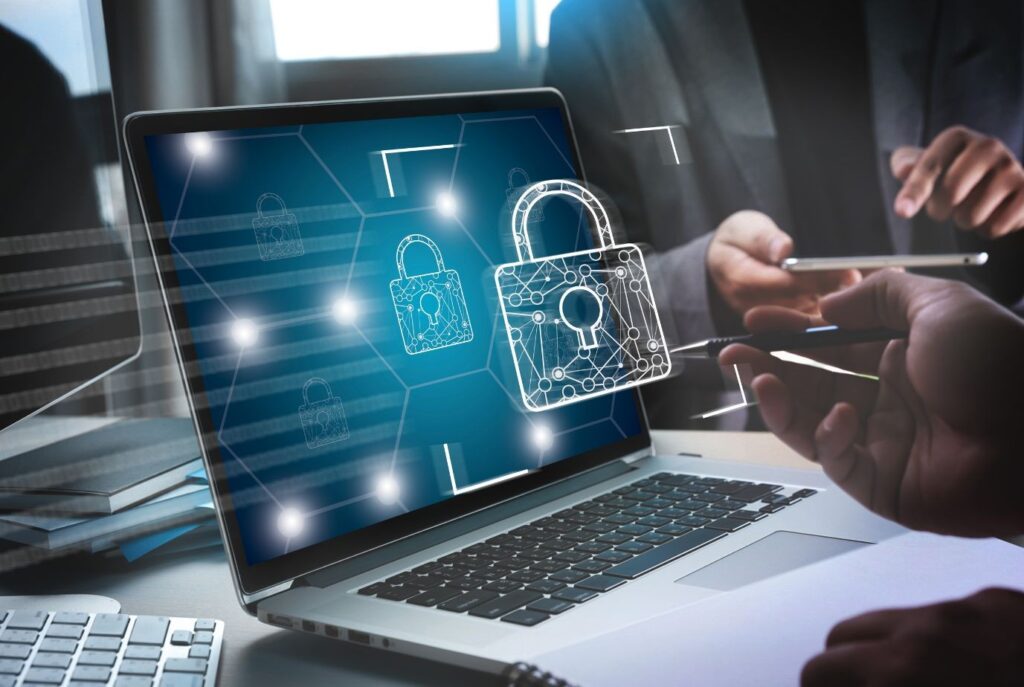
Common Cyber Threats You Should Know
Understanding common cyber threats is the first step toward better online protection. Every internet user faces different risks depending on their online activities, but several attack methods remain widespread.
Some of the most common cybersecurity threats include:
- Phishing emails pretending to be trusted organizations
- Malware hidden inside fake software downloads
- Ransomware encrypting important files
- Password theft through credential attacks
- Fake websites designed to steal login information
- Public Wi-Fi interception attacks
- Social engineering scams
- Identity theft and financial fraud
The cloudeldercom cybersecurity guide recommends staying informed about these evolving threats because attackers constantly change their techniques. Recognizing warning signs early greatly reduces the likelihood of falling victim to scams or malicious software.
Create Strong and Unique Passwords
Passwords remain the first line of defense for nearly every online account. Unfortunately, many users continue using weak passwords or reuse the same password across multiple websites. This practice makes it much easier for attackers to gain unauthorized access after a single data breach. Strong passwords should contain uppercase letters, lowercase letters, numbers, and special symbols while avoiding predictable words or personal information. Password managers have become valuable tools because they generate and securely store complex passwords without requiring users to remember each one manually. Multi-account password reuse should always be avoided because one compromised account can expose many others. Following cloudeldercom recommendations, users should update passwords regularly for sensitive accounts such as banking, email, and cloud storage. Strong authentication practices dramatically improve account security against modern hacking techniques.
Enable Multi-Factor Authentication (MFA)
Multi-Factor Authentication has become one of the most effective security measures available today. Instead of relying solely on a password, MFA requires users to verify their identity using an additional authentication factor such as a mobile application, fingerprint, hardware security key, or one-time verification code. Even if hackers successfully obtain your password, they typically cannot access your account without the second verification step. Most major online platforms now support MFA because it significantly reduces unauthorized access attempts. Businesses increasingly require employees to use multi-factor authentication for remote work and cloud services. The cloudeldercom security strategy strongly encourages enabling MFA on email accounts, banking services, social media, business applications, and cloud storage platforms. This simple step provides one of the highest security improvements with minimal inconvenience.
Keep Software and Devices Updated
Software developers regularly release updates that improve functionality while fixing newly discovered security vulnerabilities. Delaying these updates leaves devices exposed to known exploits that cybercriminals actively target. Operating systems, browsers, antivirus programs, mobile applications, and smart devices all require regular maintenance. Automatic updates simplify this process by installing important patches without user intervention. Businesses should also maintain update schedules for servers, network equipment, and security software to reduce organizational risk. The cloudeldercom approach recommends enabling automatic updates whenever possible while periodically checking that critical systems remain current. Ignoring software updates can allow attackers to exploit weaknesses that manufacturers have already fixed, making timely patch management an essential cybersecurity habit.
Recognize Phishing and Social Engineering Attacks
Phishing remains one of the most successful cyberattack techniques because it targets human psychology rather than technical vulnerabilities. Attackers often send emails or messages pretending to represent banks, delivery services, employers, or government agencies. These messages typically create urgency, encouraging recipients to click malicious links or reveal sensitive information. Social engineering attacks may also occur through phone calls, text messages, or fake customer support interactions. Users should carefully verify sender addresses, avoid downloading unexpected attachments, and never provide passwords through email.

Suspicious requests should always be confirmed directly with the legitimate organization. According to cloudeldercom, developing cautious online behavior is just as important as installing security software because many attacks depend on tricking users rather than breaking technology.
Cybersecurity Best Practices at a Glance
| Cybersecurity Practice | Primary Benefit | Recommended Frequency |
|---|---|---|
| Strong Passwords | Prevent unauthorized access | Update regularly |
| Multi-Factor Authentication | Adds extra account protection | Enable permanently |
| Software Updates | Fix security vulnerabilities | As updates become available |
| Antivirus Protection | Detect malware | Continuous monitoring |
| Data Backup | Recover from ransomware | Weekly or daily |
| Secure Wi-Fi | Protect home network | Review monthly |
| Email Awareness | Avoid phishing scams | Every email received |
Protect Your Home Wi-Fi Network
Home internet connections have become critical because remote work, online education, and smart home devices rely heavily on wireless networks. Unfortunately, unsecured Wi-Fi networks provide attractive targets for attackers. Changing default router passwords, enabling WPA3 or WPA2 encryption, disabling unnecessary remote management features, and regularly updating router firmware significantly improve security. Guests should use separate guest networks whenever possible to isolate personal devices. Strong Wi-Fi passwords also prevent unauthorized users from accessing network resources. The cloudeldercom cybersecurity recommendations stress that network security should extend beyond computers to include smart televisions, security cameras, gaming consoles, and Internet of Things devices connected to home networks.
Back Up Important Data Regularly
Data backups provide essential protection against ransomware, hardware failures, accidental deletion, and natural disasters. Even the strongest cybersecurity measures cannot guarantee complete protection from every possible incident. Maintaining multiple backup copies ensures valuable files remain recoverable if primary systems become compromised. Experts recommend following the 3-2-1 backup strategy by keeping three copies of important data, storing them on two different storage types, and maintaining one offline or offsite backup. Automated backup solutions reduce the chance of forgetting scheduled backups. Businesses should regularly test restoration procedures to verify backup integrity. Personal users should prioritize backing up family photos, financial records, work documents, and educational materials to minimize long-term data loss.
Use Reliable Security Software
Modern antivirus and endpoint protection software have evolved far beyond simple virus detection. Today’s security solutions monitor suspicious behavior, block malicious websites, detect ransomware, and analyze files using artificial intelligence. While no security software provides complete protection, reliable solutions significantly reduce infection risks when combined with safe online practices. Firewalls, browser protection, anti-malware tools, and secure DNS services add multiple security layers that make successful attacks more difficult. Security software should always remain updated to recognize newly discovered threats. Users should avoid downloading unofficial or pirated software because these frequently contain hidden malware. Combining trusted security software with responsible browsing habits creates a much stronger overall defense against evolving cyber threats.
Safe Online Habits Everyone Should Follow
Building secure digital habits is one of the most effective long-term cybersecurity strategies.
Develop these daily habits:
- Verify website authenticity before entering passwords.
- Avoid downloading unknown files.
- Lock devices when unattended.
- Review privacy settings regularly.
- Monitor financial statements for suspicious activity.
- Be cautious with public Wi-Fi networks.
- Limit personal information shared online.
- Log out from sensitive accounts after use.
Following these practices consistently reduces exposure to many common cyber threats. Small improvements in daily behavior often provide greater protection than relying solely on software-based security solutions.
Future Cybersecurity Trends
Cybersecurity continues evolving as technology advances. Artificial intelligence now helps both defenders and attackers automate tasks, making security more complex than ever before. Zero Trust security models are becoming increasingly popular because they verify every access request instead of assuming trusted users are safe. Passwordless authentication methods using biometrics and hardware security keys are gradually replacing traditional passwords. Cloud security, endpoint protection, and threat intelligence platforms continue improving organizational defenses against sophisticated attacks. As more connected devices enter homes and workplaces, cybersecurity awareness will become even more important. Staying informed about emerging technologies allows individuals and businesses to adapt their security strategies before new threats become widespread.
Conclusion
Cybersecurity is not a one-time task but an ongoing commitment to protecting personal information, financial assets, and digital identities. Every internet user can significantly reduce cyber risks by creating strong passwords, enabling multi-factor authentication, updating software, recognizing phishing attempts, securing home networks, maintaining backups, and practicing responsible online behavior. Technology alone cannot eliminate cyber threats, but informed users make far safer decisions when navigating today’s digital landscape. The cloudeldercom guide highlights practical strategies that anyone can implement regardless of technical experience. By following these recommendations consistently and remaining aware of emerging threats, individuals and businesses can build stronger defenses against cybercriminals. As technology continues evolving, maintaining good cybersecurity habits will remain essential for enjoying the benefits of the digital world safely and confidently.
Read more: Cloud Migration Strategies – cloudeldercom Complete Beginner’s Guide
