


Introduction
Digital innovation has become one of the most important forces influencing how businesses operate, people communicate, and industries develop. Technology is no longer limited to large corporations or specialized professionals. Today, individuals, small businesses, educational institutions, and growing organizations depend on digital solutions to improve productivity, manage information, and create new opportunities. From cloud computing and artificial intelligence to automation and advanced cybersecurity, modern technologies are changing traditional processes and introducing more efficient ways of working. Understanding these developments is essential for anyone who wants to remain competitive in an increasingly connected environment.
Exploring digital innovation through cloudelder com offers a useful starting point for discussing the technologies, strategies, and emerging trends shaping the modern digital landscape. The broader concept of digital innovation involves more than adopting new software or upgrading existing devices. It requires understanding how technological improvements can solve practical problems, simplify complicated operations, and deliver meaningful benefits to users. Businesses that recognize these opportunities can improve customer experiences, strengthen internal communication, and respond more effectively to changing market conditions.
As the digital economy continues to expand in 2026, technological awareness has become an important advantage. Organizations must understand not only which technologies are becoming popular but also how those technologies fit their particular requirements. This article explores the essential elements of digital innovation, the influence of cloud technology, the growing importance of intelligent automation, and the practical strategies that support sustainable digital development.
Understanding the Meaning of Digital Innovation

Digital innovation refers to the development or application of digital technologies to create better products, services, processes, and experiences. Unlike simple technological upgrades, innovation often introduces meaningful changes in how tasks are performed or how value is delivered. For example, replacing paper records with electronic documents represents digitization, while developing an intelligent system that automatically analyzes those records and recommends improvements demonstrates a more advanced form of digital innovation. Both developments can be useful, but their impact on organizational performance may differ considerably.
Modern digital innovation combines technological capabilities with creativity, strategic planning, and practical problem-solving. A retail business might introduce an intelligent inventory management system that predicts product demand based on purchasing patterns. A healthcare organization could implement secure digital appointment scheduling to reduce administrative workloads. Similarly, an educational institution might use adaptive learning platforms to deliver lessons suited to individual student needs. These examples demonstrate that successful innovation depends on identifying genuine challenges and selecting appropriate technologies rather than adopting every new trend.
Why Digital Innovation Matters in 2026
The importance of digital innovation continues to grow because customer expectations, competitive pressures, and technological capabilities are evolving simultaneously. People increasingly expect convenient digital services, secure transactions, personalized experiences, and reliable access to information. Businesses that cannot provide these experiences may struggle to maintain customer satisfaction. Meanwhile, organizations that invest thoughtfully in digital improvements can often reduce repetitive work, improve decision-making, and develop more flexible operating models.
Another important factor is the growing accessibility of advanced technology. Cloud-based platforms, subscription software, and low-code development tools allow smaller organizations to access capabilities that previously required substantial infrastructure investments. However, accessibility does not guarantee success. Organizations must still evaluate security, employee skills, implementation costs, and long-term maintenance requirements before introducing new solutions.
Exploring Modern Technology Through Cloudelder Com
Understanding the broader digital environment associated with cloudelder com involves examining how different technologies work together to support innovation. Cloud computing, artificial intelligence, data analytics, and connected devices are often discussed separately, but their greatest value frequently emerges when they are integrated. For instance, a logistics company might collect delivery information through connected sensors, store that information in cloud infrastructure, and use analytical software to identify inefficient routes. The resulting insights can help managers make more informed operational decisions.
Digital transformation also depends on how effectively people interact with technology. A technically advanced platform may deliver limited value if employees find it difficult to use or customers cannot understand its features. Successful organizations therefore consider usability, accessibility, training, and system reliability alongside technological performance. This balanced approach makes innovation more practical and increases the likelihood that new solutions will produce measurable improvements.
The Growing Importance of Cloud Computing
Cloud computing has become a foundational component of modern digital infrastructure. Instead of purchasing and maintaining every computing resource locally, organizations can access storage, processing capacity, databases, and software through remotely managed services. This approach can improve flexibility because businesses may adjust resources according to changing requirements. A company experiencing seasonal demand, for example, can increase computing capacity during busy periods and reduce unnecessary consumption when activity declines.
Cloud technology also supports collaboration among employees working from different locations. Shared documents, centralized applications, and synchronized information systems allow teams to coordinate tasks without depending entirely on physical office infrastructure. Nevertheless, cloud adoption requires careful planning. Businesses must consider data protection, service availability, access permissions, provider dependence, and the financial implications of different pricing models. Cloud computing is most effective when organizations understand both its advantages and its responsibilities.
Different Cloud Models and Their Applications
Organizations generally choose among public, private, hybrid, and multicloud approaches depending on their operational requirements. Public cloud environments provide shared infrastructure managed by external providers, while private cloud environments offer dedicated resources for a particular organization. Hybrid cloud combines different environments, allowing selected workloads to operate where they are most appropriate. Multicloud strategies involve using services from multiple cloud providers, potentially reducing dependence on a single technology ecosystem.
The following table explains how these models differ and where they may be useful.
| Cloud Model | Main Characteristics | Common Applications |
|---|---|---|
| Public Cloud | Scalable resources managed by external providers | Websites, application hosting, development |
| Private Cloud | Dedicated infrastructure with greater configuration control | Specialized enterprise workloads |
| Hybrid Cloud | Combines private and public environments | Flexible workload distribution |
| Multicloud | Uses services from multiple providers | Specialized services and resilience planning |
Choosing the appropriate model requires more than comparing infrastructure costs. Organizations should also examine technical expertise, regulatory obligations, system compatibility, and future expansion plans.
Artificial Intelligence and the Next Stage of Innovation
Artificial intelligence is influencing how organizations process information, automate activities, and develop digital products. Machine learning systems can identify patterns in large datasets, while generative AI applications can assist with drafting content, summarizing documents, producing software code, and organizing information. These capabilities create opportunities to improve productivity, particularly when employees spend significant time completing repetitive knowledge-based tasks.
However, effective AI adoption requires realistic expectations. AI-generated information may contain inaccuracies, reflect biases, or overlook important context. Organizations should establish review procedures, protect confidential information, and ensure that important decisions remain subject to appropriate human oversight. In areas such as healthcare, financial services, and legal operations, the consequences of incorrect outputs can be particularly significant. Responsible innovation therefore combines automation with transparency, accountability, and continuous evaluation.
How Intelligent Automation Improves Business Operations
Intelligent automation combines software-driven workflows with technologies capable of interpreting information or supporting decisions. Traditional automation generally follows predefined rules, such as sending an invoice after an order is completed. Intelligent systems may additionally classify incoming requests, extract information from documents, or identify unusual transaction patterns requiring investigation.
For example, a customer service department could use automation to categorize common questions and direct them to appropriate resources. More complicated issues would still require human attention. This arrangement can reduce response delays while allowing employees to focus on situations involving judgment, empathy, or specialized knowledge. The objective should be improving service quality rather than simply removing human involvement from every process.
Digital Transformation and Modern Business Growth
Digital transformation involves integrating technology into business operations in ways that meaningfully change performance, service delivery, or organizational capabilities. It may include modernizing internal systems, improving online customer interactions, introducing analytical tools, or redesigning traditional workflows. Although transformation is frequently associated with large investments, smaller improvements can also produce significant results when they address clearly defined problems.
The digital transformation concepts explored through cloudelder com highlight the importance of connecting technological development with business objectives. A company seeking faster customer support should first identify the causes of delayed responses before purchasing automation software. Similarly, an organization experiencing inventory errors should examine existing data quality and employee procedures before introducing advanced predictive systems. Technology creates the greatest value when it supports a clearly understood operational need.
Practical Strategies for Successful Transformation
Organizations can improve their digital transformation efforts by following several fundamental practices:
-
Identify operational problems and establish measurable improvement goals.
-
Select technologies that match organizational needs and available resources.
-
Provide employees with practical training and ongoing technical support.
-
Evaluate security, performance, and customer feedback throughout implementation.
-
Review results regularly and improve systems as requirements change.
These principles help businesses avoid unnecessary technological complexity. Rather than replacing every existing process simultaneously, organizations can introduce improvements gradually, assess their effectiveness, and expand successful initiatives.
Cybersecurity as a Foundation of Digital Innovation
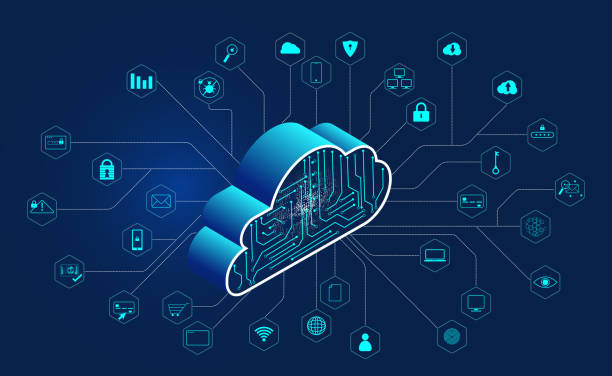
As digital systems become more interconnected, cybersecurity plays an increasingly important role in maintaining operational stability and customer trust. Organizations regularly manage sensitive information, including financial records, customer details, internal communications, and proprietary business data. Unauthorized access, ransomware attacks, phishing attempts, and insecure software configurations can disrupt operations and create substantial financial consequences.
Effective cybersecurity requires a combination of technical controls and organizational awareness. Multifactor authentication, software updates, encrypted communication, reliable backups, and carefully managed access permissions can reduce common security risks. Employee education is equally important because many attacks attempt to exploit human behavior rather than software weaknesses alone. A sustainable security strategy should also include incident response planning and periodic testing to identify vulnerabilities before they become serious problems.
Balancing Security With User Convenience
One challenge facing digital organizations is maintaining strong protection without creating unnecessary difficulties for legitimate users. Complicated authentication procedures, excessive restrictions, or poorly designed security systems may discourage employees from following established practices. Modern security planning therefore emphasizes solutions that provide appropriate protection while supporting efficient workflows.
For example, centralized identity management can simplify access to authorized applications while allowing administrators to monitor permissions. Risk-based authentication can introduce additional verification when unusual activity occurs. These approaches demonstrate that security and usability do not always need to compete; thoughtful design can strengthen both.
Data Analytics and Smarter Decision-Making
Data analytics helps organizations transform collected information into insights that support planning and operational improvement. Businesses generate data through websites, sales systems, customer interactions, manufacturing equipment, and numerous other activities. Without appropriate analysis, much of this information remains difficult to interpret. Analytical tools can reveal patterns, measure performance, identify inefficiencies, and help organizations understand changes in customer behavior.
Consider an online retailer evaluating purchasing trends across several product categories. By examining historical sales, seasonal changes, and inventory levels, the retailer may identify products requiring additional stock or promotional adjustments. However, analytical conclusions depend on the quality and relevance of the underlying information. Incomplete records, inconsistent measurements, and misleading correlations can produce poor decisions. Successful data-driven organizations therefore invest in data governance, accurate reporting, and careful interpretation rather than relying exclusively on automated dashboards.
The Influence of Emerging Digital Technologies
The future of digital innovation is being influenced by several technologies that extend beyond conventional computing systems. Edge computing processes selected information closer to where it is generated, potentially reducing delays and network dependence. Internet of Things devices collect operational information from connected equipment, buildings, and consumer products. Digital twins create virtual representations of physical assets or processes, helping organizations simulate changes and monitor performance.
These technologies can be particularly valuable when combined. In a manufacturing environment, connected sensors might monitor equipment conditions while analytical systems detect signs of abnormal performance. A digital twin could then help engineers evaluate possible maintenance strategies. Such applications illustrate how emerging technologies can support practical improvements rather than serving merely as experimental concepts.
The Role of Human Skills in Technological Progress
Despite advances in automation, human expertise remains essential to digital innovation. Technology professionals must understand system design and security, while managers need the ability to evaluate business value and implementation risks. Employees across departments increasingly benefit from digital literacy, critical thinking, communication skills, and adaptability.
Continuous learning has therefore become an important organizational priority. Training programs should focus not only on operating particular software tools but also on understanding how digital systems affect workflows and decision-making. Employees who recognize both the capabilities and limitations of technology are better prepared to use it responsibly.
Digital Innovation for Small Businesses and Entrepreneurs
Small businesses can benefit from digital innovation without necessarily investing in expensive enterprise systems. Online scheduling, digital payment processing, cloud-based accounting, customer relationship management, and collaborative productivity applications can simplify daily operations. The most suitable solutions depend on business size, customer expectations, technical knowledge, and available financial resources.
For entrepreneurs researching digital development through cloudelder com, the central consideration should be practical value. A local service provider might benefit more from reliable appointment management and customer communication than from an advanced AI platform. An online business experiencing rapid growth may prioritize scalable hosting, secure payment systems, and inventory integration. Selecting technology according to actual needs helps reduce unnecessary expenses and creates a stronger foundation for future expansion.
Challenges That Can Slow Digital Progress
Digital innovation introduces opportunities, but implementation can also create operational and financial challenges. Organizations may struggle with outdated systems, limited technical expertise, fragmented information, or resistance to unfamiliar working methods. Some projects fail because decision-makers focus on attractive features without considering whether employees and customers genuinely need them.
Budget management presents another difficulty. Subscription costs, integration expenses, cybersecurity requirements, and ongoing training can increase the total cost of ownership. Businesses should therefore evaluate both immediate and long-term expenses when comparing technological solutions. Careful planning, realistic project schedules, and measurable performance indicators can reduce uncertainty and support more successful outcomes.
Common Mistakes Organizations Should Avoid
Several recurring mistakes can limit the effectiveness of digital initiatives:
-
Introducing technology without clearly identifying the problem it should solve.
-
Ignoring employee feedback during system selection and implementation.
-
Underestimating cybersecurity, maintenance, and integration requirements.
-
Measuring success only by software adoption instead of meaningful results.
Avoiding these mistakes requires communication between technical specialists, business leaders, employees, and customers. Innovation becomes more sustainable when everyone understands its purpose and expected benefits.
The Future of Digital Innovation Beyond 2026
The next phase of digital development will likely involve deeper integration between artificial intelligence, cloud infrastructure, cybersecurity, and connected systems. Organizations are increasingly interested in technologies that support real-time information processing, more efficient resource management, and personalized digital experiences. AI-assisted software development, intelligent business applications, and automated monitoring may continue to change how digital services are created and maintained.
Sustainability is also becoming an important consideration in technology planning. Businesses are paying greater attention to computing efficiency, equipment lifecycles, energy consumption, and responsible infrastructure management. Digital innovation will increasingly need to balance performance with financial, environmental, and social responsibilities. Organizations that evaluate these factors together may be better positioned to develop resilient and adaptable technology strategies.
Frequently Asked Questions
1. What is cloudelder com in the context of digital innovation?
The keyword cloudelder com can be used as a reference point for exploring topics related to modern technology, cloud computing, digital transformation, and emerging innovations. Understanding these subjects helps readers recognize how digital tools influence businesses and everyday activities. Specific features or services associated with the name should be verified independently rather than assumed.
2. Why is digital innovation important for modern businesses?
Digital innovation helps businesses improve operational efficiency, strengthen customer experiences, and adapt to changing market requirements. Appropriate technologies can reduce repetitive tasks, support better communication, and provide useful information for decision-making. However, meaningful results depend on choosing solutions that address actual business needs.
3. How does cloud computing support digital transformation?
Cloud computing provides flexible access to computing resources, applications, and data storage without requiring every organization to maintain extensive local infrastructure. It can support remote collaboration, scalable applications, and faster deployment of digital services. Businesses must still manage security, costs, and provider-related risks.
4. What role does artificial intelligence play in digital innovation?
Artificial intelligence supports digital innovation by helping systems analyze information, recognize patterns, generate content, and automate selected activities. It can improve productivity and assist decision-making, but AI outputs require appropriate evaluation. Human oversight remains particularly important when accuracy, privacy, or safety is involved.
5. Can small businesses benefit from emerging technologies?
Yes. Small businesses can use affordable digital tools to improve customer communication, manage appointments, organize financial records, and strengthen online operations. They do not need to adopt every emerging technology. A focused approach that prioritizes measurable improvements is usually more practical than introducing complicated systems without clear objectives.
6. What skills are important for the future digital economy?
Digital literacy, analytical thinking, cybersecurity awareness, adaptability, and problem-solving are increasingly valuable. Employees also benefit from understanding the responsible use of artificial intelligence and data-driven systems. Continuous learning helps individuals respond effectively as technologies and workplace expectations evolve.
Conclusion
Digital innovation continues to transform the way organizations operate, individuals communicate, and industries develop. Cloud computing, artificial intelligence, intelligent automation, cybersecurity, and data analytics are creating opportunities to improve efficiency and develop more responsive digital services. However, technological advancement alone does not guarantee meaningful progress. Successful innovation requires clear objectives, reliable information, responsible implementation, and an ongoing commitment to improvement.
Understanding digital innovation through cloudelder com provides a framework for examining these important technological developments and their practical implications. Businesses and individuals who approach emerging technologies with curiosity, realistic expectations, and strategic thinking can make better decisions about digital adoption. As technology continues to evolve beyond 2026, the most valuable innovations will be those that solve genuine problems, protect users, support human capabilities, and create sustainable long-term benefits.
